


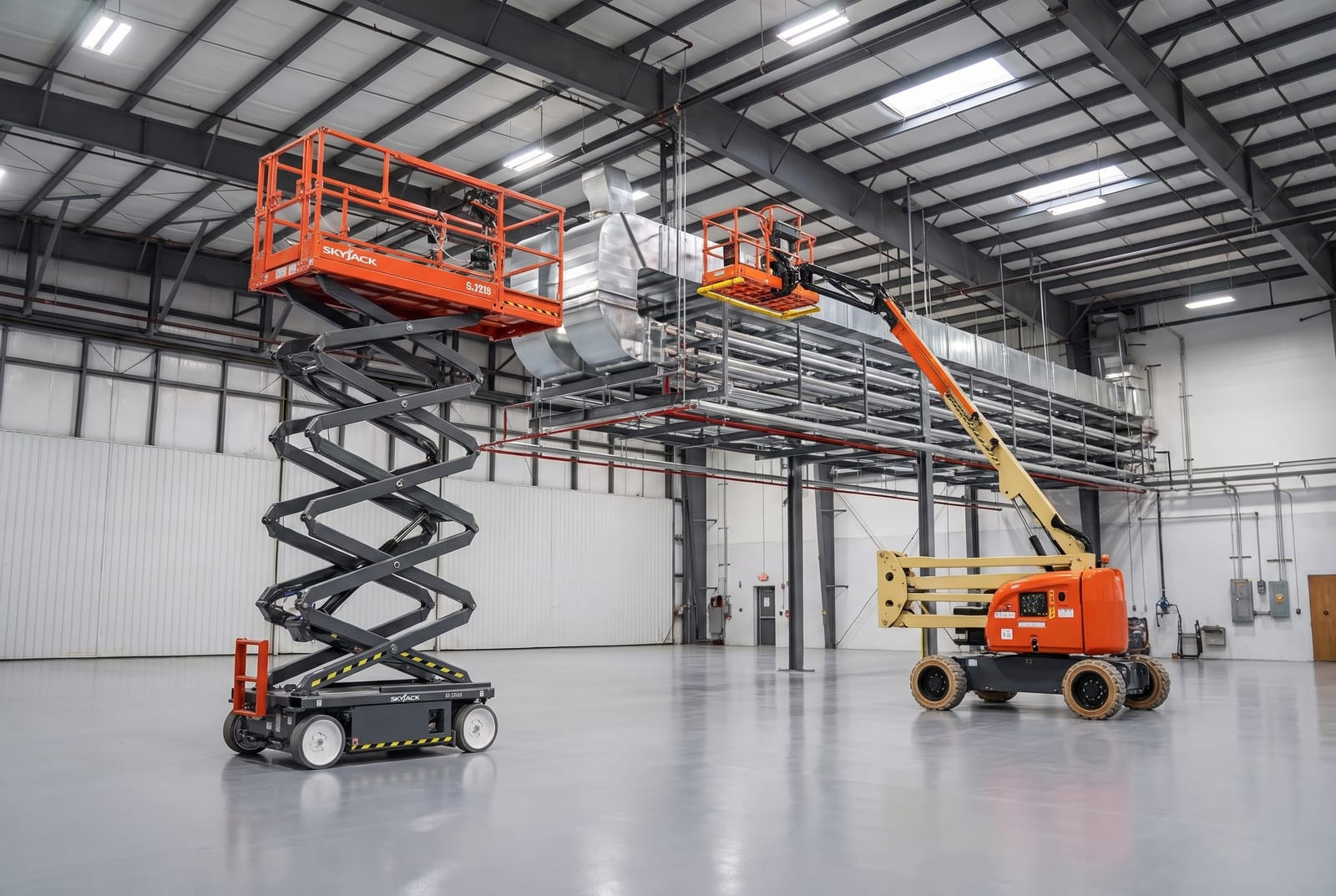
Scissor lift, boom lift, man lift, aerial work platform: the industry has a dozen names for one family of machines. The ANSI A92 standards give it one official name, the mobile elevating work platform (MEWP), and a classification system that decides how each machine is designed, how it has to be used, and what training the people on it need.
This guide explains the MEWP Groups and Types in plain terms, what the A92.20, A92.22 and A92.24 standards require, how OSHA treats the same machines, and how to choose the right category for a job. It is written for the EHS managers, facility engineers and supervisors who specify lifts and sign off on the people who run them.
The short version
- MEWP stands for mobile elevating work platform. Scissor lifts, vertical mast lifts and boom lifts are all MEWPs.
- ANSI A92 sorts every MEWP by Group (A: the platform stays inside the tipping lines; B: it can reach beyond them) and Type (1: travels only when stowed; 2: travels raised, driven from the chassis; 3: travels raised, driven from the platform).
- A self-propelled scissor lift is a 3A. A self-propelled boom lift is a 3B. Push-around vertical mast lifts are typically 1A, and towable boom lifts are 1B.
- Three standards work together: A92.20 (design), A92.22 (safe use) and A92.24 (training). They took effect on June 1, 2020.
- Operator training is category-specific. Being trained on a 3A scissor lift does not qualify someone to run a 3B boom.
- Hazardous locations and cleanrooms add requirements that the A92 category does not cover.
What is a MEWP?
A MEWP (mobile elevating work platform) is a machine that moves people, with their tools and materials, to a working position on a platform. It has three parts: a work platform with controls, an extending structure that raises it (a scissor stack, a mast or a boom), and a chassis. Scissor lifts, vertical mast lifts and boom lifts are all MEWPs.
The term comes from the ANSI/SAIA A92 standards, which were rewritten to line up with the international MEWP standard, ISO 16368. The definition is deliberately broad: it covers a compact slab scissor in a warehouse and a boom reaching more than 100 feet on a construction site.
Some machines that lift people are not covered by A92.20 and have standards of their own: vehicle-mounted aerial devices such as utility bucket trucks (ANSI A92.2), mast-climbing work platforms (ANSI A92.9), and work platforms carried on a forklift.
MEWP, AWP, aerial lift, man lift: what's the difference?
In day-to-day use they describe the same machines. "MEWP" is the current ANSI and CSA term. "Aerial work platform" (AWP) is the older industry umbrella term. "Aerial lift" is OSHA's term for boom-type machines and vertical towers, and "man lift" is shop-floor shorthand for any of them.
| Term | Who uses it | What it covers |
|---|---|---|
| MEWP | ANSI A92.20, A92.22, A92.24; CSA B354; ISO 16368 | Scissor lifts, vertical mast lifts and boom lifts |
| Aerial work platform (AWP) | Manufacturers, rental fleets, trade press | The same machines; still common in catalogs |
| Aerial lift | OSHA, 29 CFR 1926.453 | Extensible and articulating boom platforms, aerial ladders, vertical towers |
| Mobile scaffold | OSHA, 29 CFR 1926.451 and 1926.452(w) | How OSHA treats scissor lifts in construction |
| Man lift, personnel lift | Everyone, informally | Any of the above |
Our guides to what an aerial work platform is and the five main types of AWP cover the machines themselves. This guide covers how the standards sort them, which is what decides the design rules, the training and the paperwork.
MEWP Groups: A and B
The Group describes where the platform can go relative to the machine's tipping lines. On a Group A MEWP, the center of the platform always stays inside the tipping lines. On a Group B MEWP, it can move outside them.
Tipping lines are the lines between the points where the machine meets the ground: the tires, or the outriggers or stabilizers when they are deployed. Imagine dropping a plumb line from the center of the platform. If it lands inside the footprint those lines draw in every position the machine can reach, the MEWP is Group A. If the platform can swing or reach out far enough that the plumb line lands outside the footprint, it is Group B.
Group A: the platform goes up
Scissor lifts and vertical mast lifts. The platform rises more or less straight up over the chassis, so stability depends mainly on the slope the machine stands on, the load on the deck and, outdoors, the wind. Group A machines are the right tool when the chassis can park directly under the work.
Group B: the platform reaches out
Telescopic (straight) boom lifts, articulating (knuckle) boom lifts, towable booms and spider lifts. Because the platform can sit well beyond the chassis, the machine relies on counterweight, outriggers and its control system to stay stable, and a jolt at the chassis is amplified at the platform. That is one reason OSHA requires a body harness and lanyard in a boom lift but not, by default, in a scissor lift. For the practical trade-offs, see scissor lifts vs. boom lifts.
MEWP Types: 1, 2 and 3
The Type describes how the machine travels. Type 1 travels only with the platform stowed. Type 2 can travel with the platform raised, controlled from a point on the chassis. Type 3 can travel with the platform raised, controlled from the platform.
Type 1: travels only when stowed
To move the machine, the platform comes down first. Push-around vertical mast lifts, manually propelled scissor lifts, towable (trailer-mounted) boom lifts and most tracked spider lifts are Type 1.
Type 2: travels raised, driven from the chassis
Someone on the ground or in a cab drives the machine while the platform is up. This is uncommon; you will mostly see it on specialty vehicle- and rail-mounted platforms.
Type 3: travels raised, driven from the platform
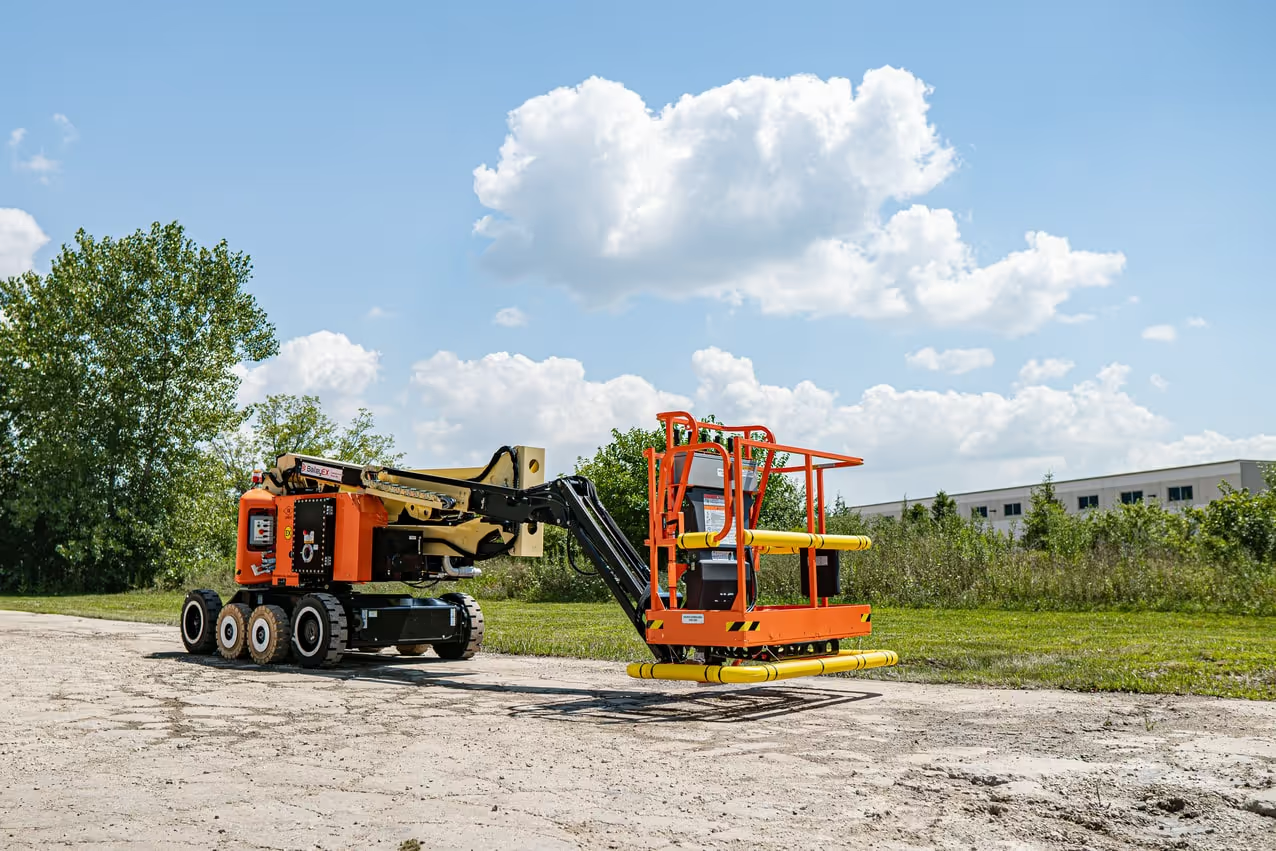
The operator drives the machine from the platform while it is elevated. Almost every self-propelled scissor lift and boom lift is Type 3, including Bailey's EX scissor lifts and EX boom lifts.
Type matters most for planning. A Type 3 machine can reposition along a work face without coming down, but the person driving is also the person at height, so the travel path, floor conditions and overhead hazards have to be assessed before anyone goes up.
The six MEWP categories at a glance
Group and Type combine into six categories: 1A, 2A, 3A, 1B, 2B and 3B. Most machines on a jobsite or plant floor are 3A (self-propelled scissor and vertical mast lifts) or 3B (self-propelled boom lifts).
| Category | Platform position | Travel | Common examples |
|---|---|---|---|
| 1A | Inside the tipping lines | Stowed only | Push-around vertical mast lifts, manually propelled scissor lifts |
| 2A | Inside the tipping lines | Raised, driven from the chassis | Rare; specialty vehicle-mounted platforms |
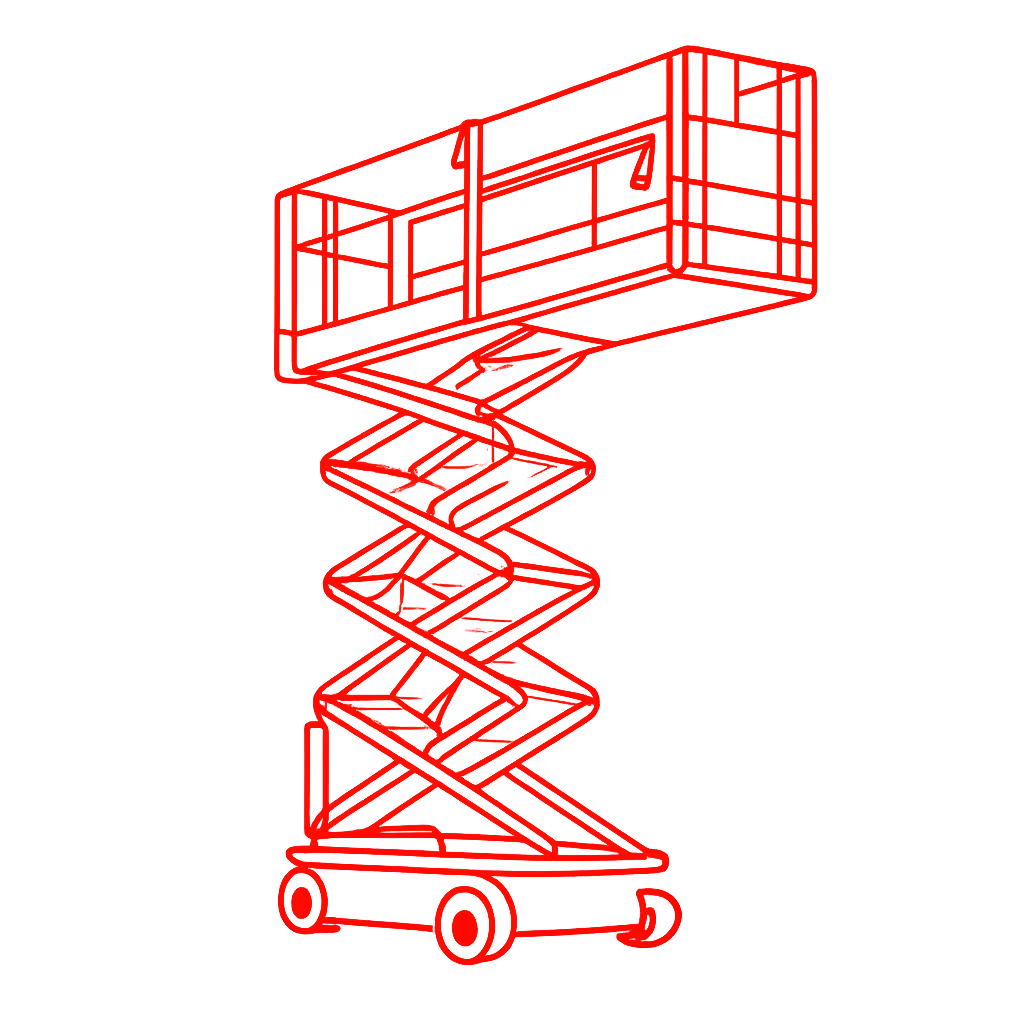
| 3A | Inside the tipping lines | Raised, driven from the platform | Self-propelled scissor lifts, self-propelled vertical mast lifts |
| 1B | Can reach outside | Stowed only | Towable boom lifts, most tracked spider lifts |
| 2B | Can reach outside | Raised, driven from the chassis | Rare; some rail- and vehicle-mounted platforms |
| 3B | Can reach outside | Raised, driven from the platform | Self-propelled telescopic and articulating boom lifts |
Utility bucket trucks and other vehicle-mounted aerial devices are covered by ANSI A92.2, not A92.20.
The ANSI A92 standards: A92.20, A92.22 and A92.24
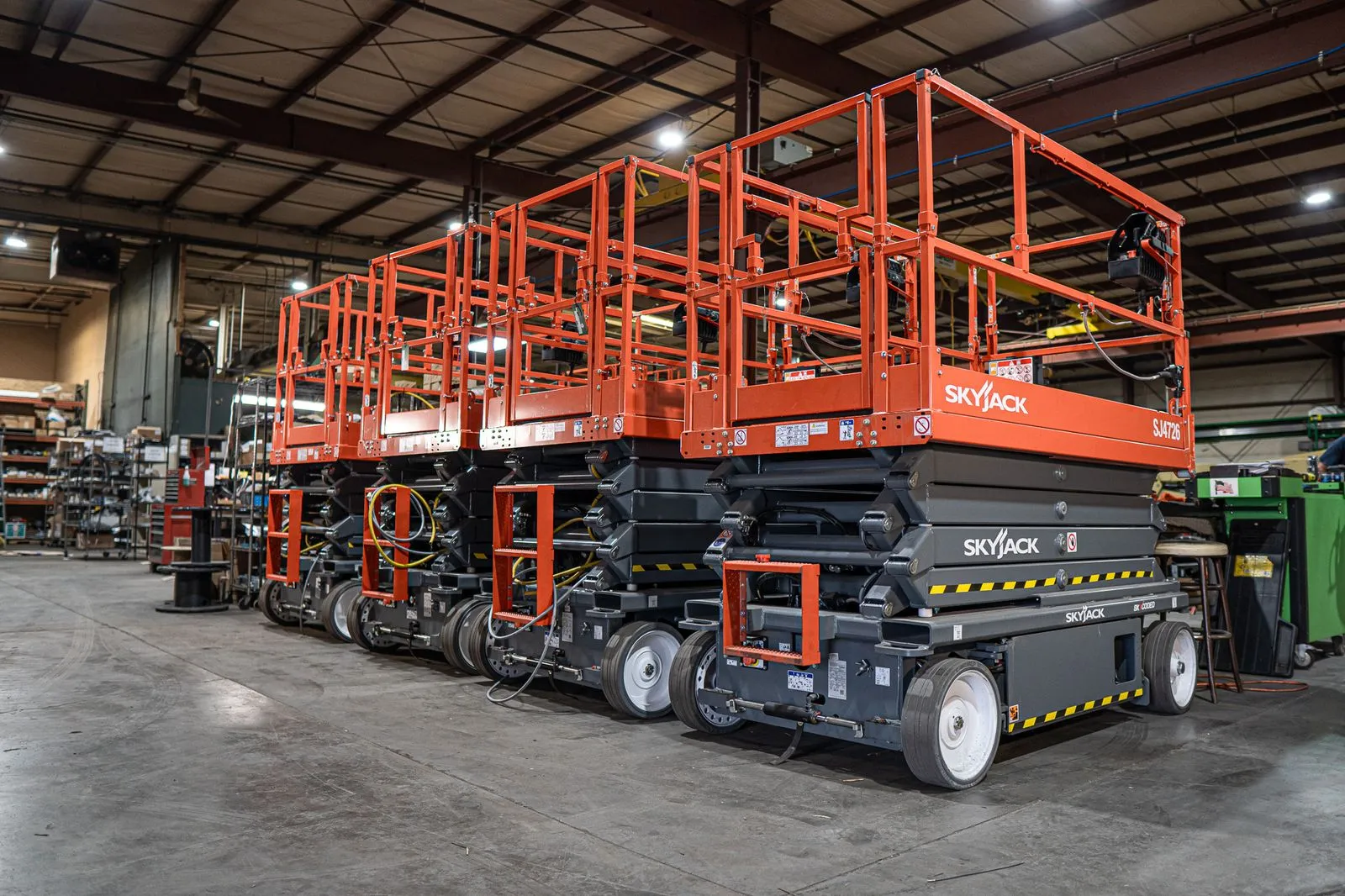
Three companion standards replaced the older ANSI A92.3, A92.5 and A92.6. A92.20 covers how MEWPs are designed, calculated and tested; A92.22 covers how they are used; A92.24 covers how people are trained. They were published in December 2018 and took effect on June 1, 2020.
| Standard | What it covers | Who it applies to |
|---|---|---|
| ANSI/SAIA A92.20 | Design, calculations, safety requirements and test methods | Manufacturers. Applies to MEWPs built after the effective date. |
| ANSI/SAIA A92.22 | Safe use: planning, inspection, operation and rescue | The user (the employer), supervisors, operators and occupants. Applies to every MEWP in service, whatever its age. |
| ANSI/SAIA A92.24 | Training requirements | Employers and training providers, for operators, occupants and supervisors. |
A92.22: safe use
A92.22 puts the user, meaning the company that puts people on a MEWP, at the center. It expects a safe use program that covers:
- Planning the work: a risk assessment of the task, choosing a MEWP suited to it, and checking the ground, the travel path and overhead hazards.
- A rescue plan: how someone on the platform will be brought down if the operator is incapacitated or the machine fails at height.
- Inspections: a pre-use inspection and function test before each shift, plus frequent and annual inspections by a qualified person.
- Supervision: trained supervisors who oversee MEWP work.
A92.24: training
- Operators need theory and hands-on training for each MEWP category they will run, plus familiarization on the specific make and model.
- Occupants, anyone on the platform who isn't operating, need training on the hazards, their fall protection, and the emergency controls and procedures.
- Supervisors need training in MEWP selection, hazard recognition, rescue and the rules their operators follow.
A92.24 also calls for retraining when an operator is seen running a machine unsafely, is involved in an incident or near miss, or moves to a category or model they haven't been trained on.
In Canada, the CSA B354.6, B354.7 and B354.8 standards cover the same three areas (design, safe use and training) with the same Group and Type categories.
What A92.20 changed on new machines
The headline changes are load sensing, tilt sensing that restricts operation beyond the rated slope, separate indoor and outdoor wind ratings, and taller guardrails. They apply to MEWPs manufactured after the standard took effect. Older machines don't have to be retrofitted, but they are still covered by A92.22 and A92.24.
Load sensing
The machine monitors the load on the platform. When it is overloaded, an alarm sounds and normal operation stops until the excess comes off. Staying under the rated capacity used to depend entirely on the operator. Bailey's EX lifts are built with A92.20 load sensing.
Tilt sensing
When the chassis is on a slope steeper than its rating, the machine warns the operator and restricts the movements that would make it less stable.
Indoor and outdoor wind ratings
Every new MEWP is rated for indoor use only or for outdoor use up to a stated wind speed, commonly 28 mph (12.5 m/s). Many scissor lifts carry two ratings: more occupants indoors, fewer outdoors. Check the capacity plate before taking a machine outside.
Taller guardrails
The minimum top-rail height on new machines is 43.5 inches (1.1 m), up from 39 inches on many older designs.
How OSHA classifies the same machines
OSHA doesn't use the word MEWP. In construction it treats scissor lifts as mobile scaffolds (29 CFR 1926.451 and 1926.452(w)) and boom lifts as aerial lifts (29 CFR 1926.453). The practical difference is fall protection: on a scissor lift the guardrails are the fall protection, while in a boom lift workers must wear a body harness with a lanyard attached to the boom or basket.
Two things follow from that split:
- Harnesses in scissor lifts. OSHA does not require one when the guardrails are complete, but the manufacturer's manual and many site rules do. If one is used, it should attach only to an anchor point the manufacturer has rated for it.
- Training rules differ by machine. Scissor lift users fall under OSHA's scaffold training rule (1926.454). The aerial lift rule allows only authorized persons to operate boom lifts. A92.24 category training covers both in more detail than OSHA does.
OSHA hasn't written the 2018 A92 standards into its regulations. But manufacturers design to them, insurers and site owners commonly require them, and their planning, inspection and training requirements go further than OSHA's, which makes them a sound foundation for a MEWP safety program. For the citations that come up most often, see 5 OSHA violations to avoid with aerial work platforms.
How to choose the right MEWP
Start with the work, not the machine: where the work point is relative to where the chassis can stand, how many people and how much material go up, whether you need to move while elevated, and what the environment is. Those answers pick the Group, the Type and the build.
Scissor lift
The most platform for its footprint. The pick for several workers, heavy materials or a long work face directly overhead: ceilings, racking, fuselage sides.
Vertical mast lift
The smallest footprint. Lifts one worker and tools in tight quarters: narrow aisles, doorways and congested plant floors.
Articulating boom
Up and over. Reaches out and around obstacles, over equipment and into structures the chassis can't get close to.
Telescopic boom
Straight out. The most horizontal outreach and height from wherever the chassis can stand.
- Can the chassis park directly under the work? If so, a Group A machine is usually the simpler choice. If equipment, a pit, a wing or a duct is in the way, you need Group B.
- How many people and how much weight go up? Count tools and materials, not just people, and check both the indoor and the outdoor rating.
- Will you move along the work at height? Then you need a Type 3 machine.
- Indoors, outdoors or both? An indoor-only machine can't go outside, and outdoor ratings often allow fewer occupants.
- Can the floor carry it? Wheel loads matter on raised floors, mezzanines and older slabs. Here's how we solved one floor-loading problem.
- Does it fit the route? Measure doorways, aisles, elevators and overhead clearance on the way in, not just at the work point.
- What's in the air? A hazardous location needs an explosion-proof machine approved for its class and division; a cleanroom needs one built for its ISO class.
MEWPs for hazardous locations, cleanrooms and aircraft
The A92 category says nothing about ignition sources, particle shedding or what the platform might hit. A scissor lift working in a Class I, Division 1 paint hangar is still a 3A MEWP, but it also has to be built and approved for that atmosphere. Category and environment are two separate checks, and the machine has to pass both.
Hazardous locations
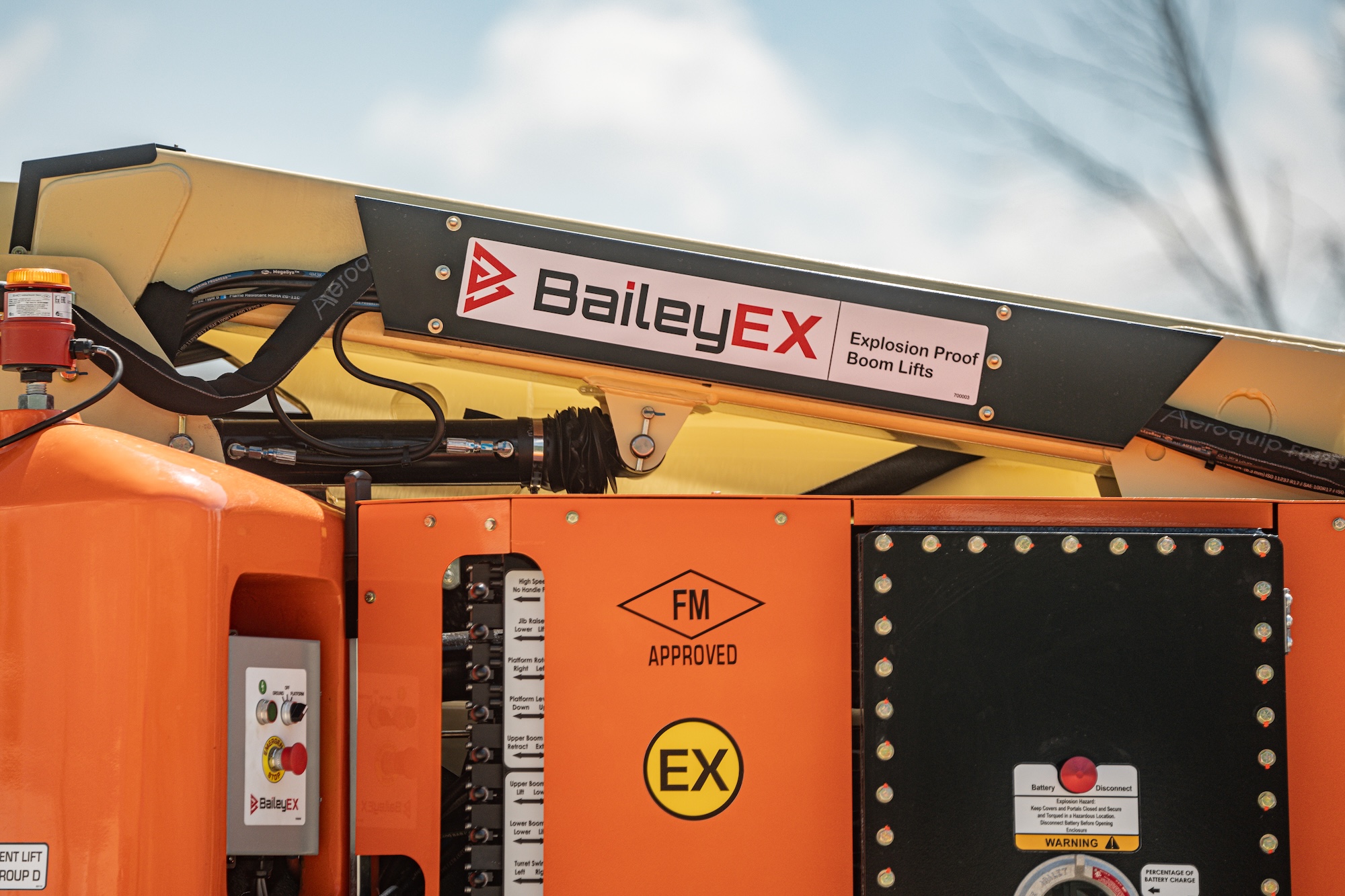
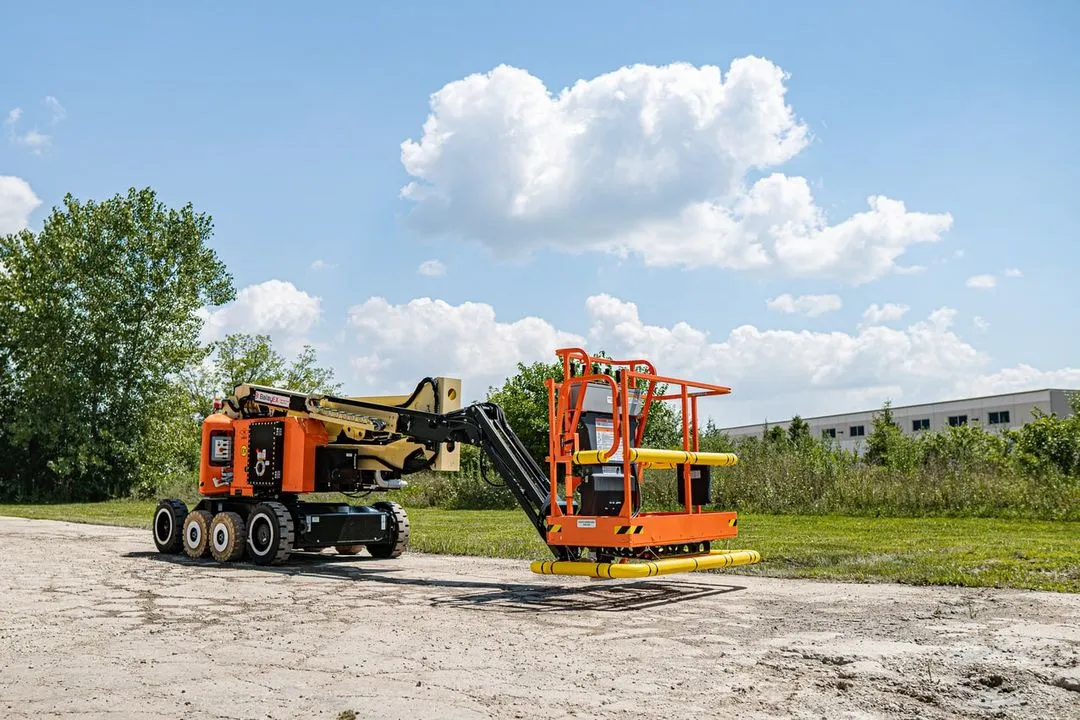
In flammable or combustible atmospheres, a standard MEWP's motors, contactors, switches and hot surfaces are all ignition sources. Bailey's EX scissor lifts (3A, 25 to 59 feet of working height, 500 to 2,750 lb capacity) and EX telescopic and articulating boom lifts (3B, 36 to 86 feet) are engineered to ANSI A92.20, FM Class 3600, 3610 and 3615, and UL 583 for Class I, Division 1 locations. Our explosion-proof man lift buyer's guide explains what that takes, and the paint booth man lift guide shows how one common hazardous location is classified.
Cleanrooms
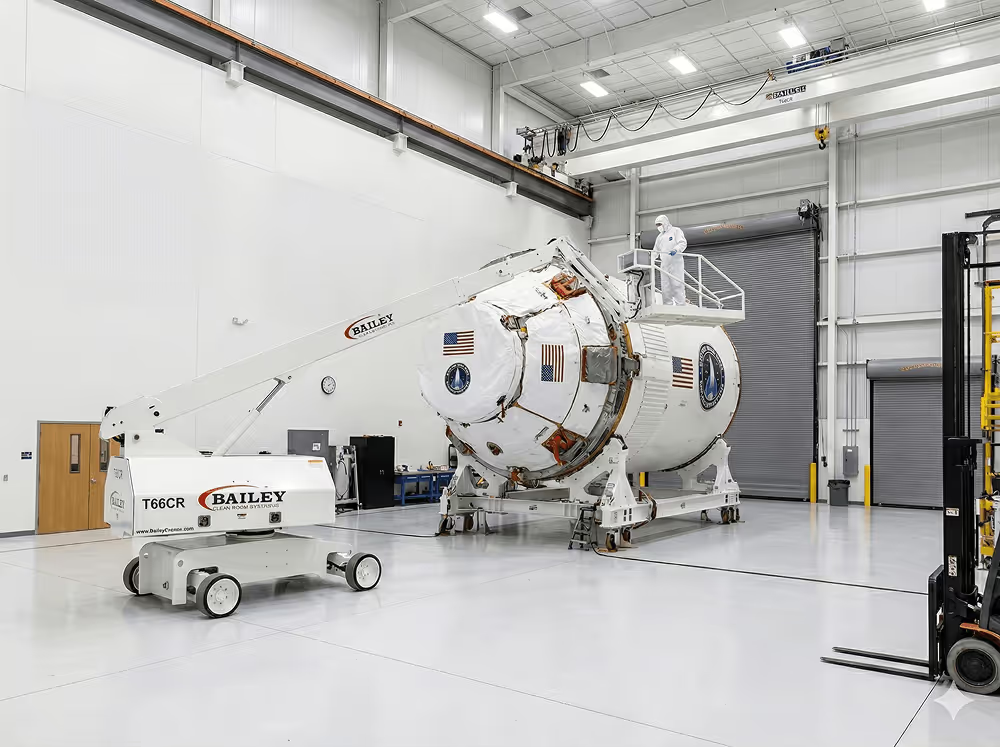
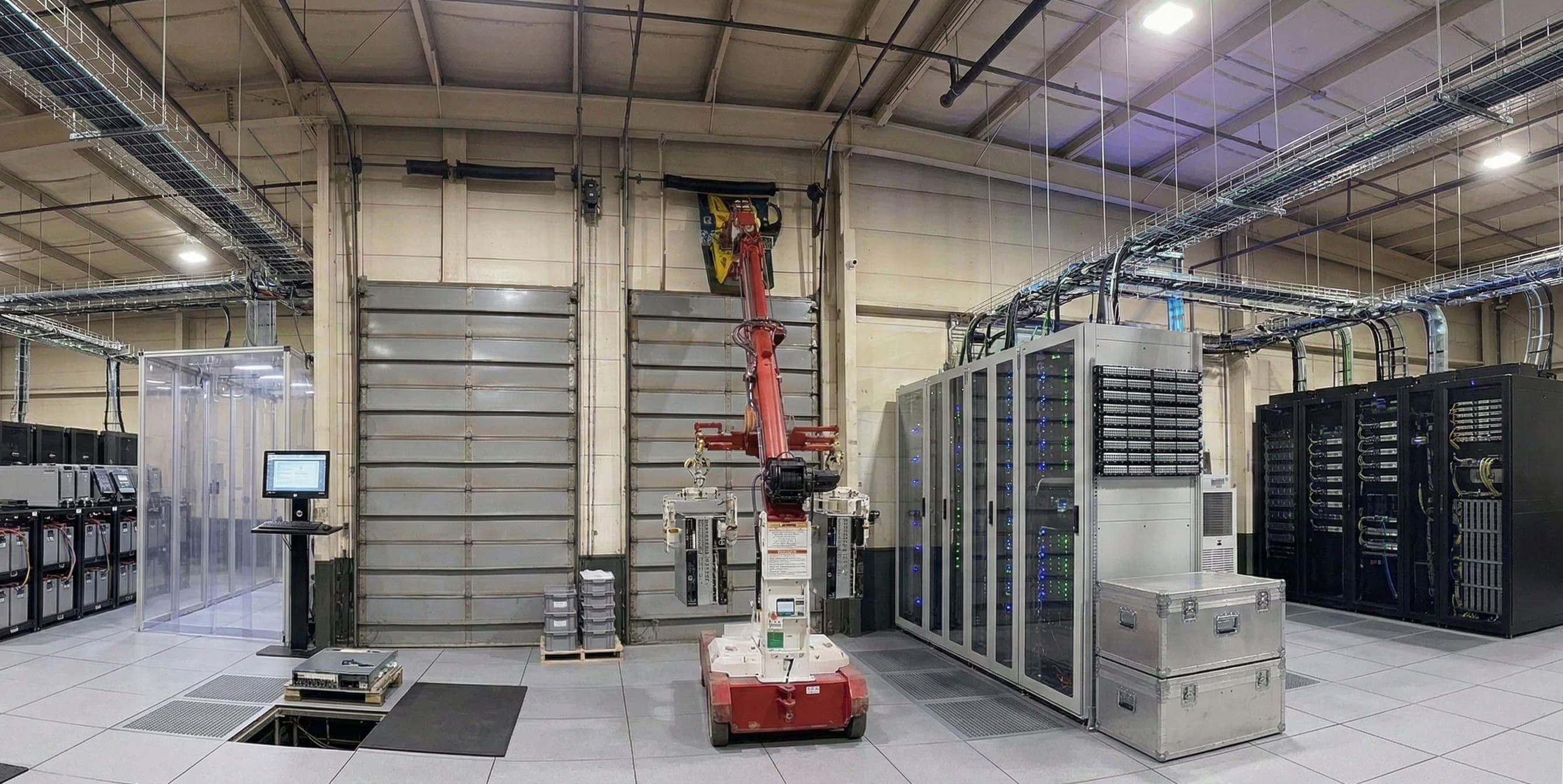
In a cleanroom the machine itself is the contamination source: chains, cylinders, scissor pivots, motor brushes and paint all shed particles. Bailey's clean room man lifts, from compact platforms to telescopic and articulating booms over 100 feet, use sealed bearings, brushless motors and low-emission coatings for ISO Class 5 to 8 cleanrooms. Choose the category for the reach, then the build for the room; the clean room lift specification guide covers the second half.
Aircraft and high-value assets
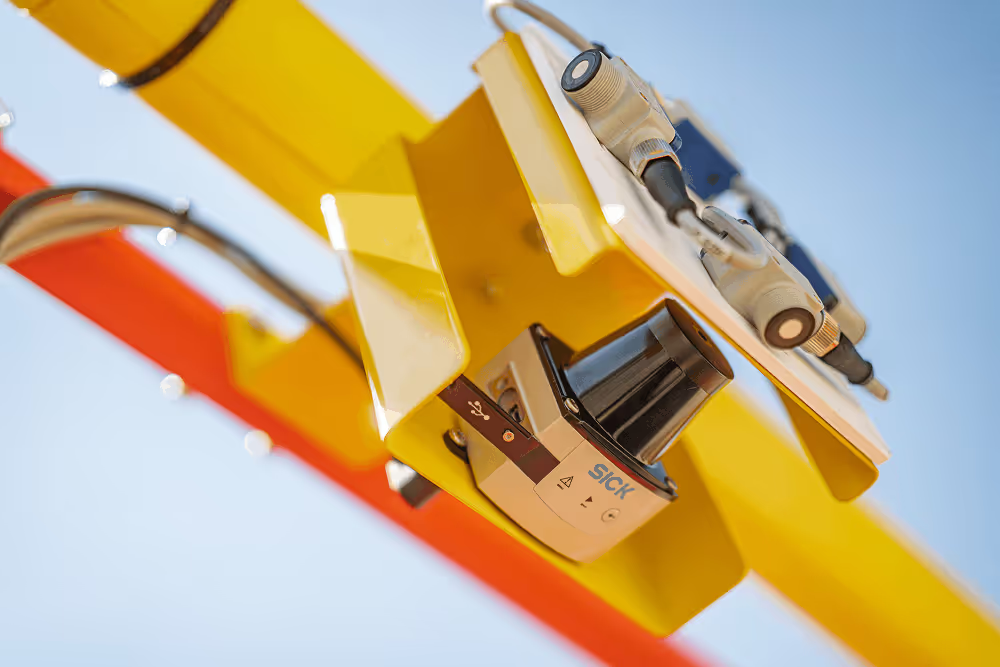
Around an airframe, the risk is contact. Padded aircraft rails soften the platform's edges, and Bailey's collision avoidance system, available for scissor and boom lifts, uses laser sensors to stop lift movement before impact. Here's how it works.
When no standard category fits
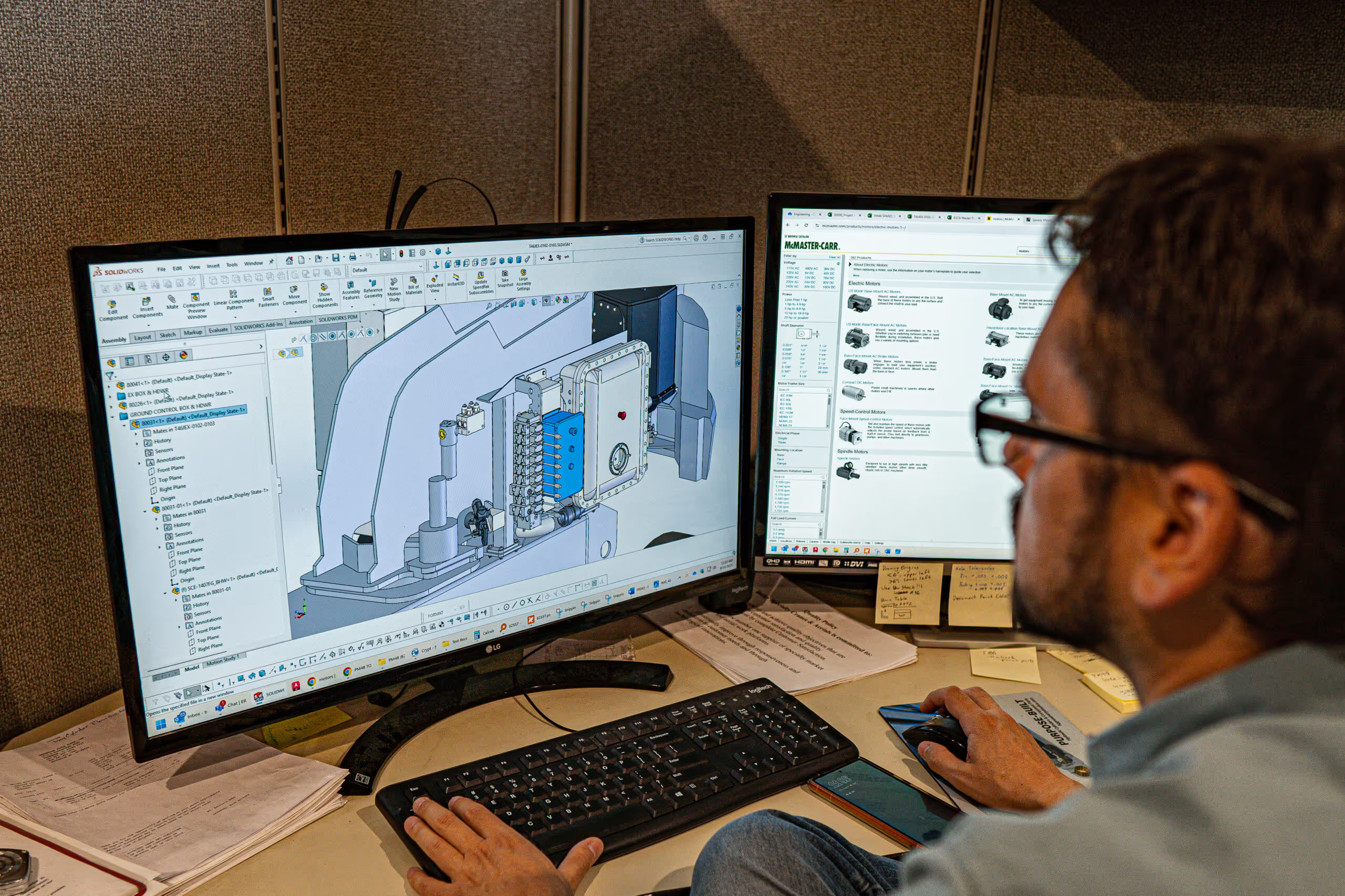
Some jobs don't match any catalog machine: a platform that has to reach into a fixture, a drive-on test bench, or a lift that must fit through a narrow door and still reach the work. Bailey's custom engineering team designs and builds custom MEWPs for those jobs, engineered to the same A92.20 requirements.
Not sure which category or build your job needs? Send us the work height, what's in the way, the floor and the environment, and we'll recommend a machine or engineer one.
MEWP FAQ
What does MEWP stand for?
MEWP stands for mobile elevating work platform. It is the ANSI A92 and CSA B354 term for a machine that raises people, tools and materials to a working position on a platform, including scissor lifts, vertical mast lifts and boom lifts.
What is the difference between Group A and Group B MEWPs?
On a Group A MEWP, the center of the platform always stays inside the machine's tipping lines; scissor lifts and vertical mast lifts are Group A. On a Group B MEWP, the platform can move outside the tipping lines; telescopic and articulating boom lifts are Group B.
What are Type 1, Type 2 and Type 3 MEWPs?
Type 1 MEWPs travel only with the platform stowed. Type 2 MEWPs can travel with the platform raised, controlled from a point on the chassis. Type 3 MEWPs can travel with the platform raised, controlled from the platform.
What are 3A and 3B MEWPs?
Both are Type 3 machines, which can be driven from the platform while it is raised. A 3A is a Group A machine, such as a self-propelled scissor lift or vertical mast lift. A 3B is a Group B machine, such as a self-propelled telescopic or articulating boom lift.
Is a scissor lift a MEWP?
Yes. A scissor lift is a Group A MEWP because its platform stays over the chassis. A self-propelled scissor lift that can be driven from the platform while raised is a 3A; a manually propelled one is a 1A.
Which type of MEWP is best for reaching out and moving around obstacles?
An articulating boom lift. Its jointed boom can go up, out and over obstacles, which makes it a Group B MEWP, typically a 3B when it is self-propelled.
Which type of MEWP can lift personnel in tight quarters?
A vertical mast lift. It has the smallest footprint of the common MEWPs, so it fits narrow aisles, doorways and congested floors. It is a Group A machine: typically a 1A when it is pushed around and a 3A when it is self-propelled.
Which type of lift provides the most platform space for multiple workers and materials?
A scissor lift. It offers the largest platform for its footprint and high capacities, which suits several workers, heavy tools and materials working directly overhead.
What type of aerial lift raises the platform on a telescoping arm?
A telescopic boom lift, also called a straight or stick boom. Its boom sections nest inside one another and extend like a telescope to reach high and far from the chassis.
Does OSHA consider scissor lifts scaffolding?
In construction, yes. OSHA treats scissor lifts as mobile scaffolds under 29 CFR 1926.451 and 1926.452(w), and treats boom lifts and vertical towers as aerial lifts under 29 CFR 1926.453.
Do you need a harness in a scissor lift?
OSHA does not require one when the scissor lift's guardrails are complete, because the guardrails are the fall protection. Follow the manufacturer's manual and your site's rules, which often do require one, and attach only to an anchor point the manufacturer has rated for it. In a boom lift, a body harness and lanyard are required.
Does MEWP operator training cover every type of lift?
No. Under ANSI A92.24, operators are trained for the specific MEWP categories they will use, plus familiarization on each make and model. Training on a 3A scissor lift does not qualify someone to operate a 3B boom lift.
When did ANSI A92.20, A92.22 and A92.24 take effect?
The standards were published in December 2018 and took effect on June 1, 2020. The A92.20 design requirements apply to MEWPs manufactured after that date; A92.22 safe use and A92.24 training apply to every MEWP in use, whatever its age.
Who makes explosion-proof MEWPs for hazardous locations?
Bailey Cranes designs and builds FM Approved, Class I, Division 1 explosion-proof scissor and boom lifts in Muskego, Wisconsin, and has produced its EX Series since 2002. Bailey's EX scissor lifts are 3A MEWPs with 25 to 59 feet of working height; its EX boom lifts are 3B MEWPs reaching 36 to 86 feet.