



Collision Avoidance Systems
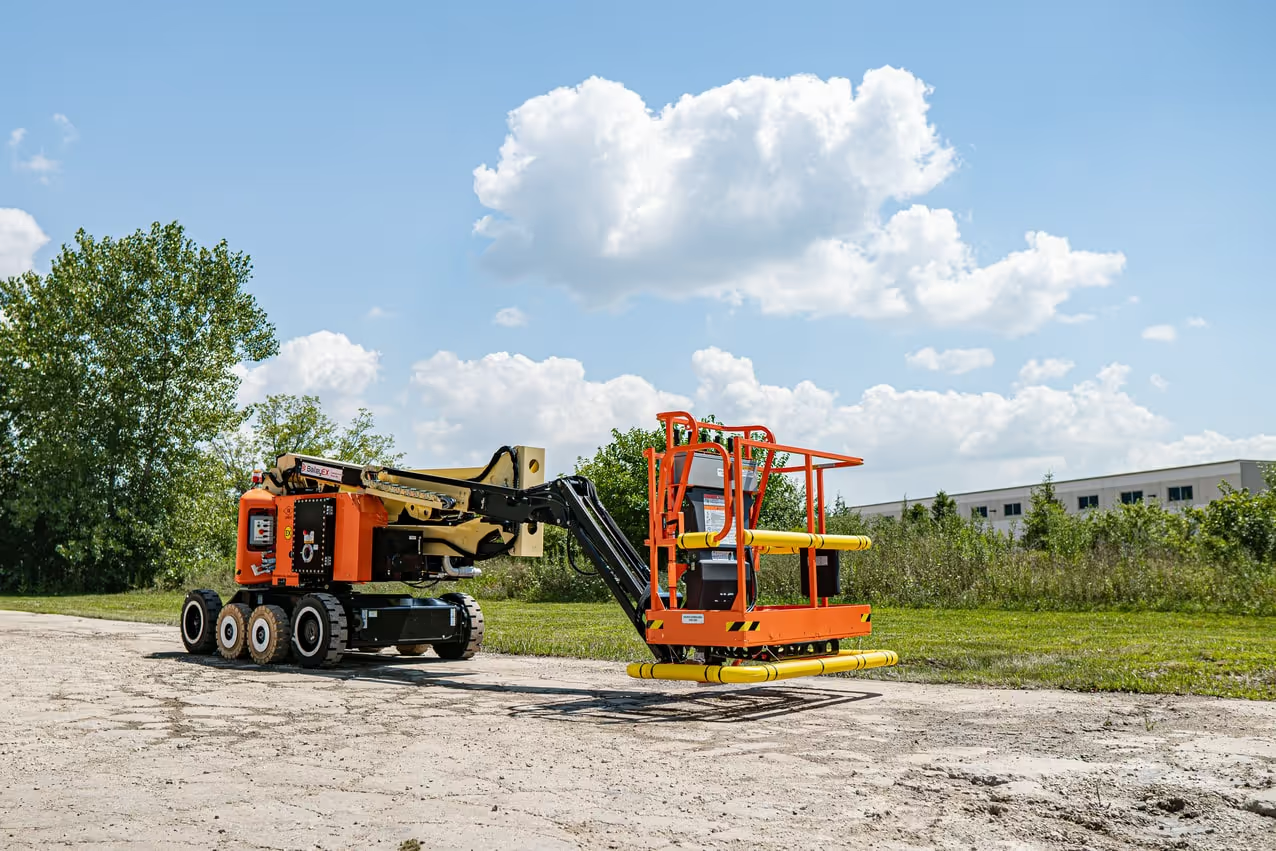
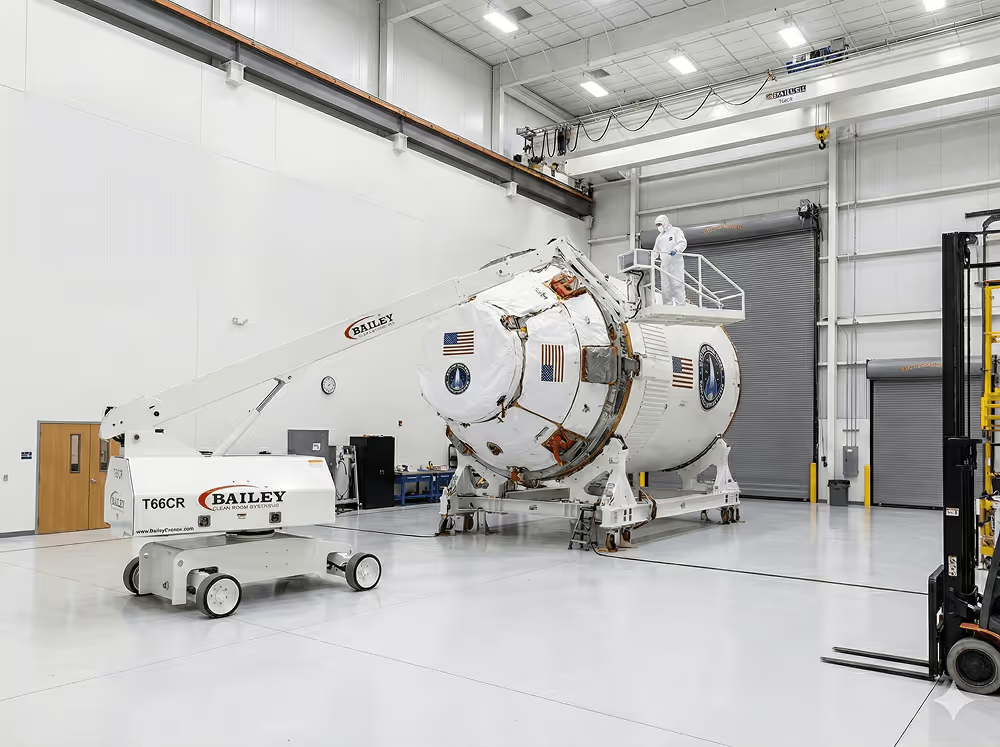
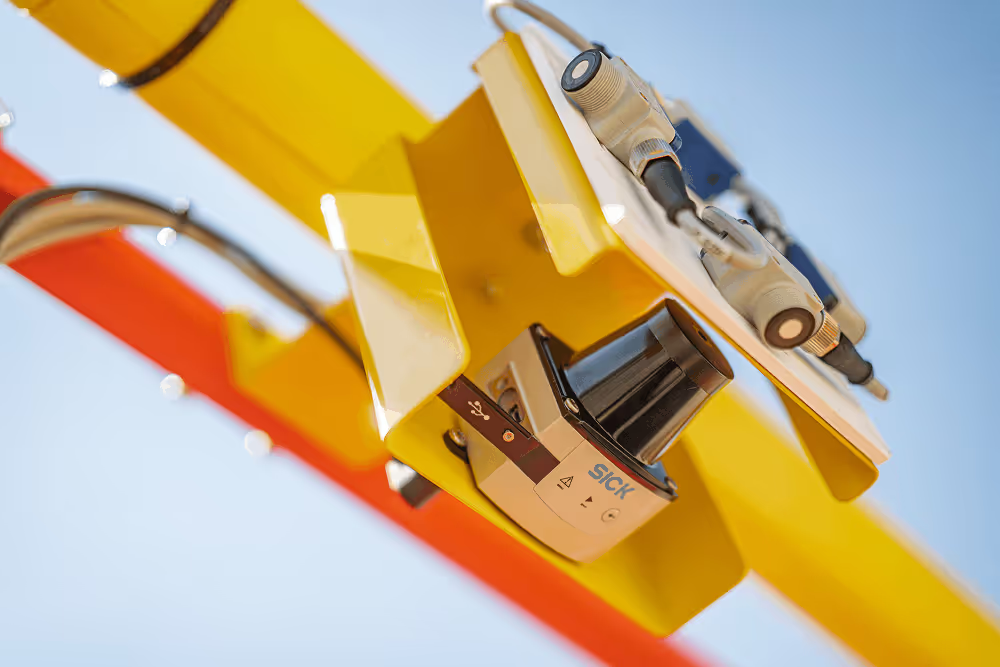
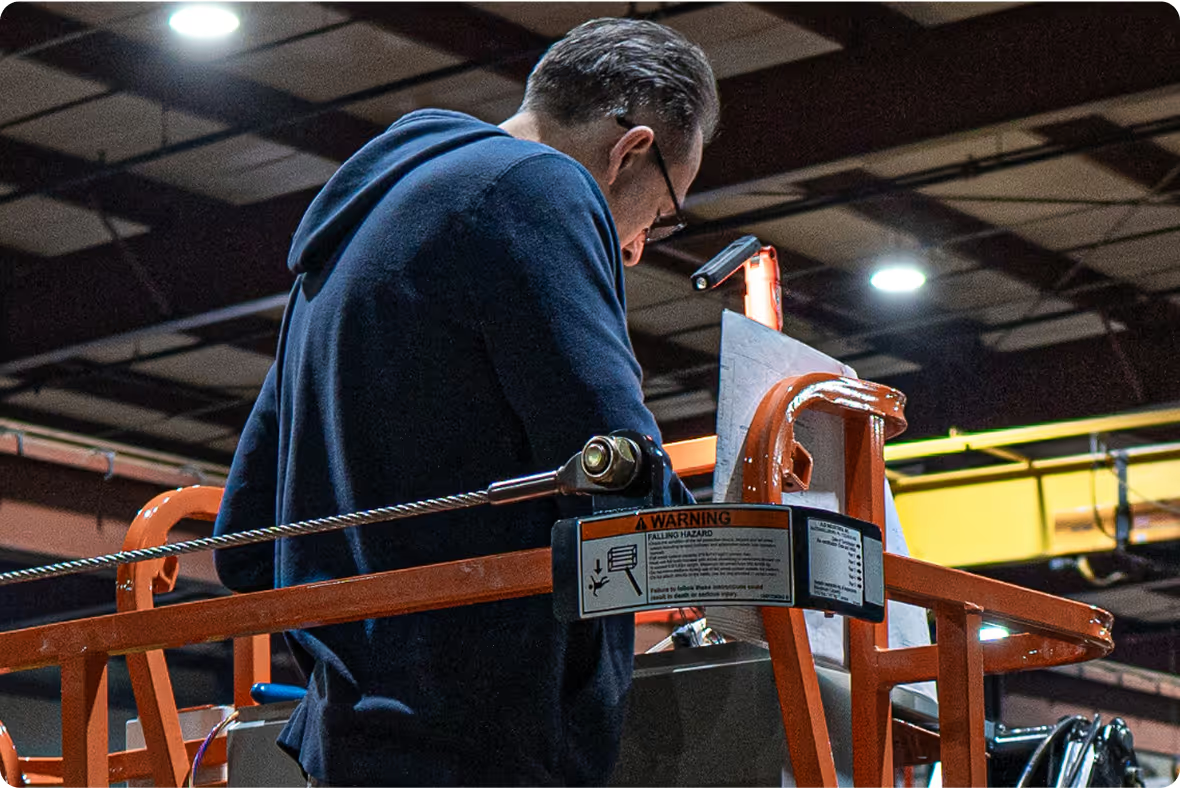
Our Collision Avoidance Systems use laser sensors and intelligent zone mapping to automatically stop lift movement before impact, protecting personnel, equipment, and critical environments. Available for scissor and boom lifts, these systems reduce jobsite risk and costly downtime with configurable safety options.
Compact Equipment Protection
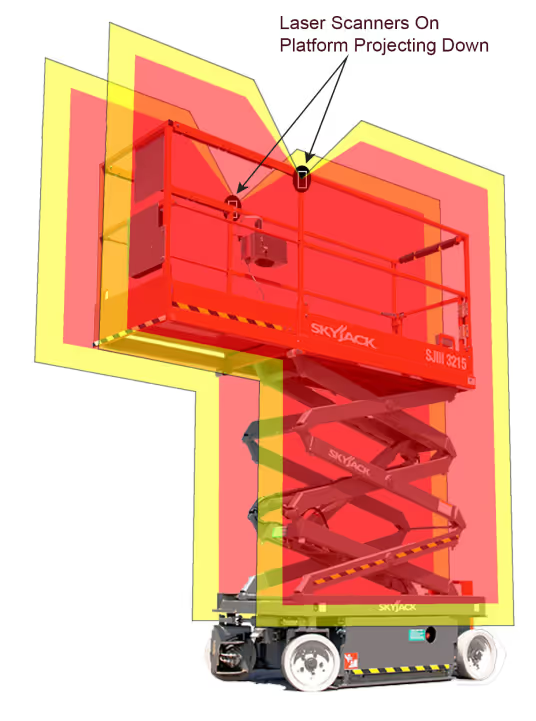
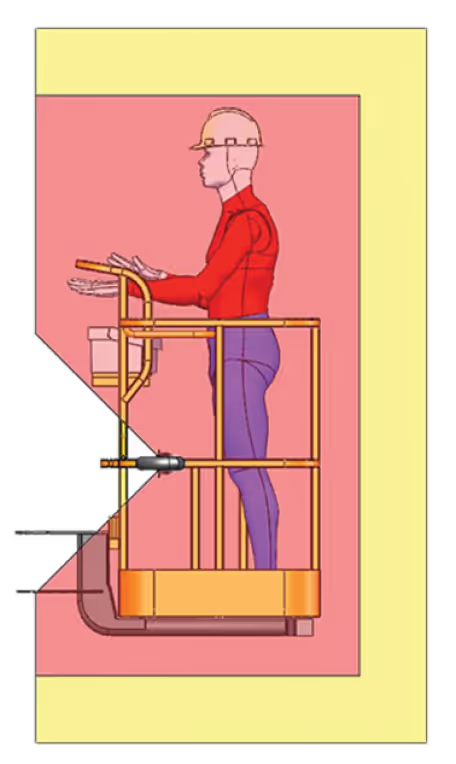
Basic Scissor System
Scans both sides from the platform, with sensors that move alongside the extension deck—protecting operators during forward reach.
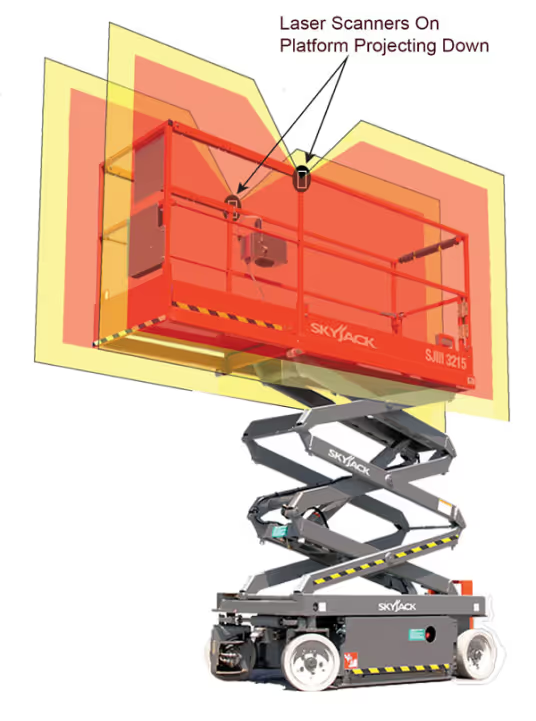
Advanced Scissor System
Adds chassis-to-platform scanning with automatic zone adjustments based on height and platform extension, offering full-envelope protection.


Basic Boom System
Provides essential directional scanning and collision interruption in key zones, helping prevent operator contact during standard lift use.
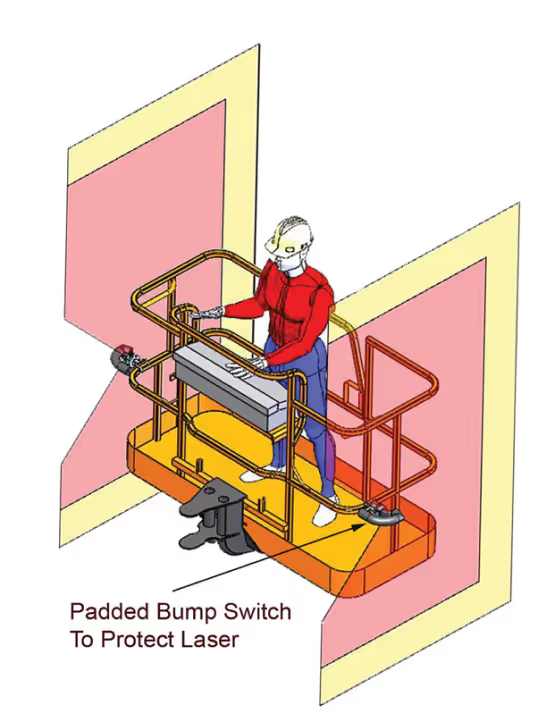
Advanced Boom System
Ideal for high-risk applications, this system is typically retrofitted for a cost-effective upgrade and provides expanded zone coverage.


Crane Collision Avoidance System FAQs
How Bailey's collision avoidance technology protects high-value cargo, structures, and personnel in industrial lifting operations.
How does a crane collision avoidance system work?
Are Bailey collision avoidance systems LIDAR-based?
Can the system be retrofitted to existing cranes?
What's the response time of the system?
Does the system meet OSHA and ANSI standards?
Learn More About Crane Collision Avoidance
Specifying the right system depends on your facility, sensor environment, and risk profile. These guides walk through the trade-offs in detail.
Crane Collision Avoidance Systems: Complete Buyer's Guide
Laser, radar, LIDAR, and AI vision sensors compared. Features, industry use cases, and how to specify the right system for your facility.
Read the guide →How to Choose the Right Crane Collision Avoidance System
A practical framework for matching sensor technology, response type, and integration depth to your operation's real-world requirements.
Read the article →How LIDAR Is Changing Lift Safety in Aerospace
Why LIDAR-based collision avoidance has become standard in aerospace assembly and MRO environments where a single impact can ground a program.
Read the article →Why Every Crane Needs a Collision Avoidance System
The business case for automated collision prevention — incident costs, downtime, and the regulatory shift driving adoption in industrial facilities.
Read the article →Proven Platforms. Precision-Engineered Solutions.
Partner with Bailey to transform proven platforms or build fully custom lifting solutions—engineered, manufactured, and supported under one roof for mission-critical environments where failure is not an option.