Compact Handler & Telehandler FAQs
Compact lifting solutions for tight industrial, MRO, and aerospace assembly environments.
Is a compact handler the same as a mini crane?
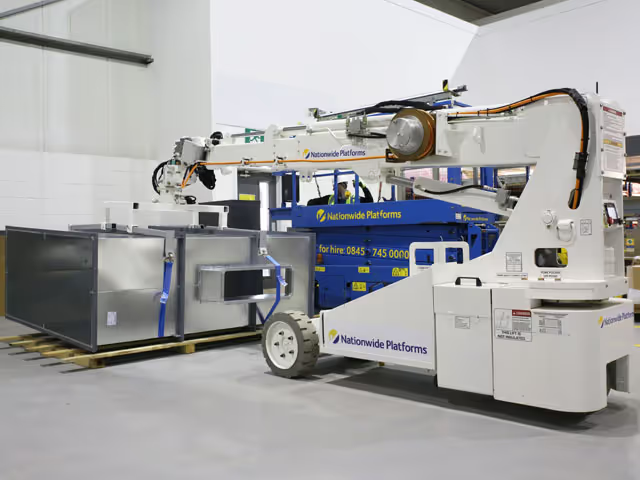
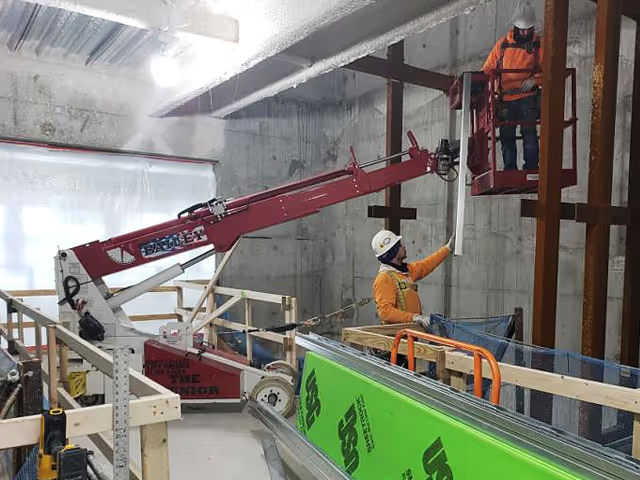
Yes — "compact handler" is Bailey's name for the machine most buyers search for as a "mini crane" or "pick-and-carry crane." It is a compact, usually electric crane that picks up a load and carries it into tight indoor spaces a forklift or rough-terrain crane cannot reach. Bailey uses Compact Handler as the product family name (models like the CH 6 and CH 4 OMNI), but the capability is identical to what the industry calls a mini crane. If you are comparing mini cranes for glass, machinery, or aerospace installation, a Bailey Compact Handler is the same class of machine.
Compact handler vs. pick-and-carry crane vs. mini crawler crane — what's the difference?
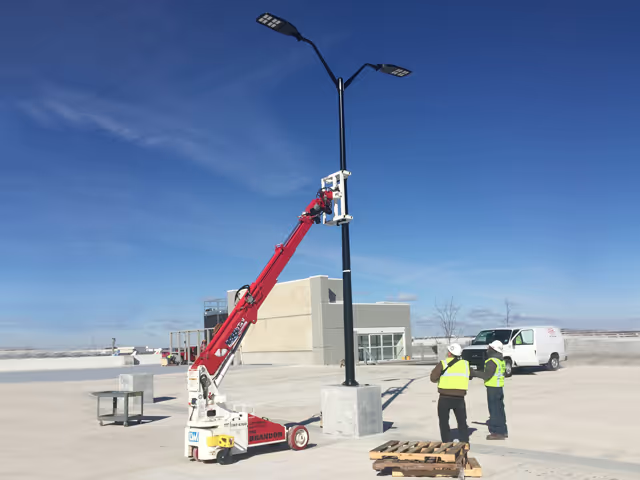
They overlap, with subtle distinctions. A pick-and-carry crane lifts a load and drives it to position rather than working from fixed outriggers — that is the core Compact Handler capability. A mini crawler crane (or spider crane) uses tracks and deployable outriggers to lift from a set position, often on uneven ground. Compact handler is the broader term Bailey uses for its family of compact, mostly electric lifting machines: some are wheeled pick-and-carry units, others are tracked models with outriggers for heavier or elevated picks. In short, pick-and-carry and mini crawler describe how the machine works; Compact Handler is the product line that includes both configurations.
What is a compact handler used for?
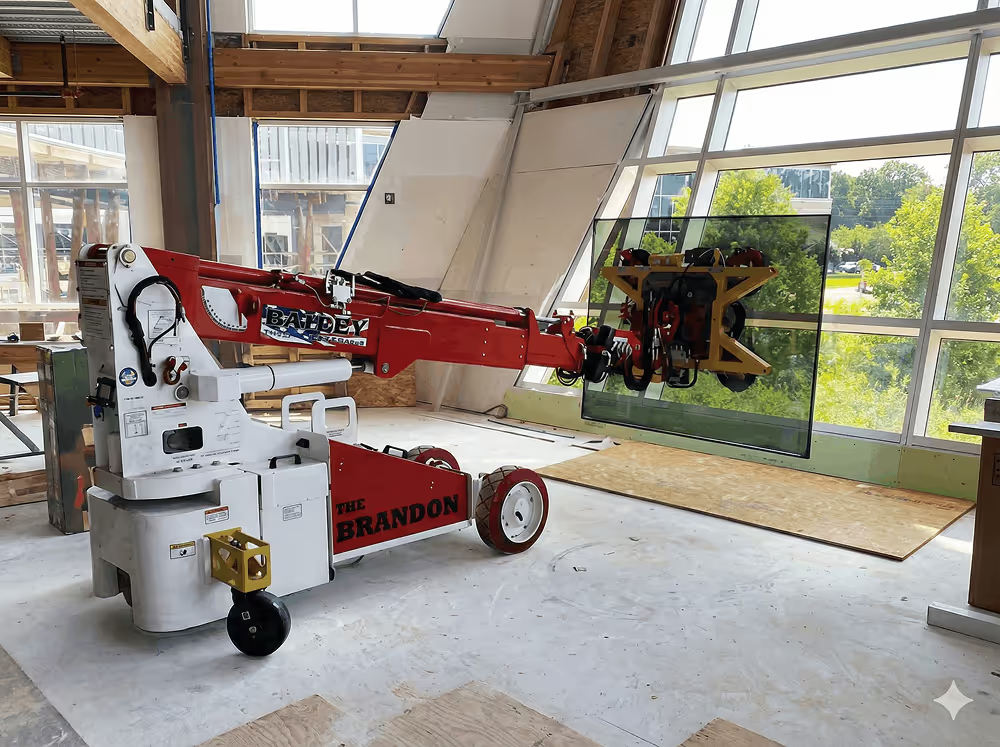
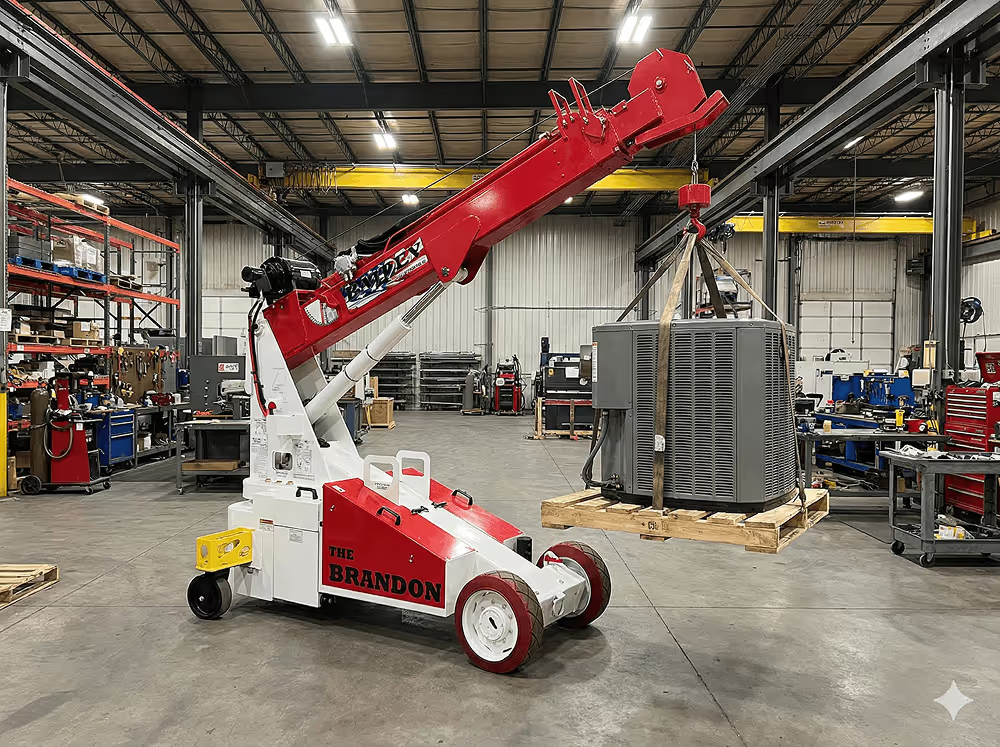
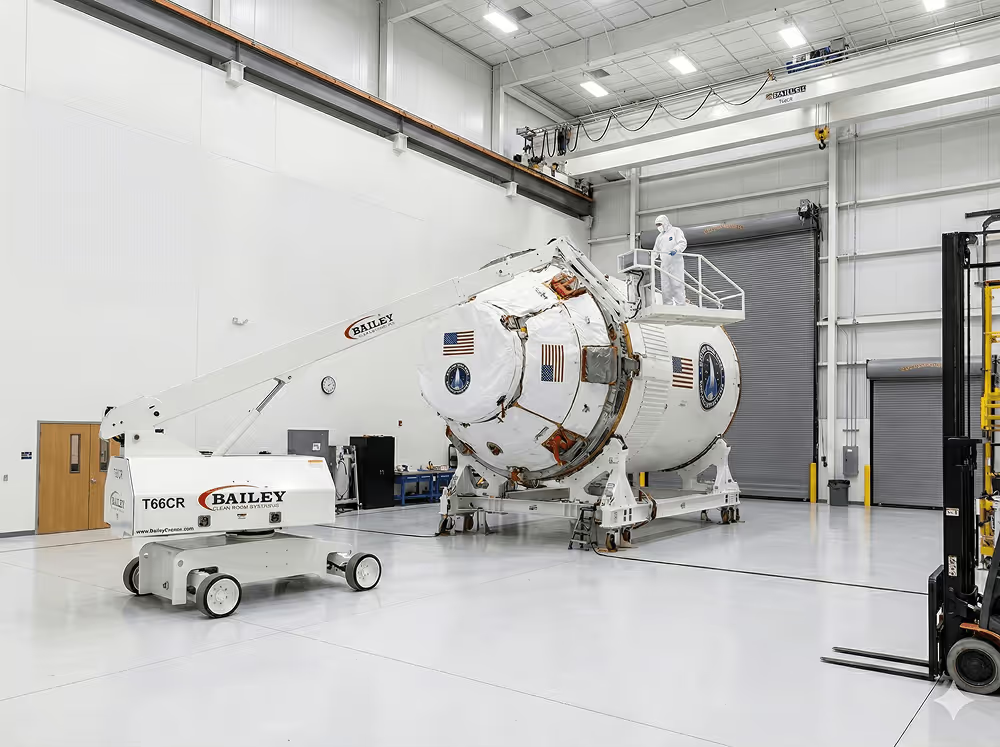
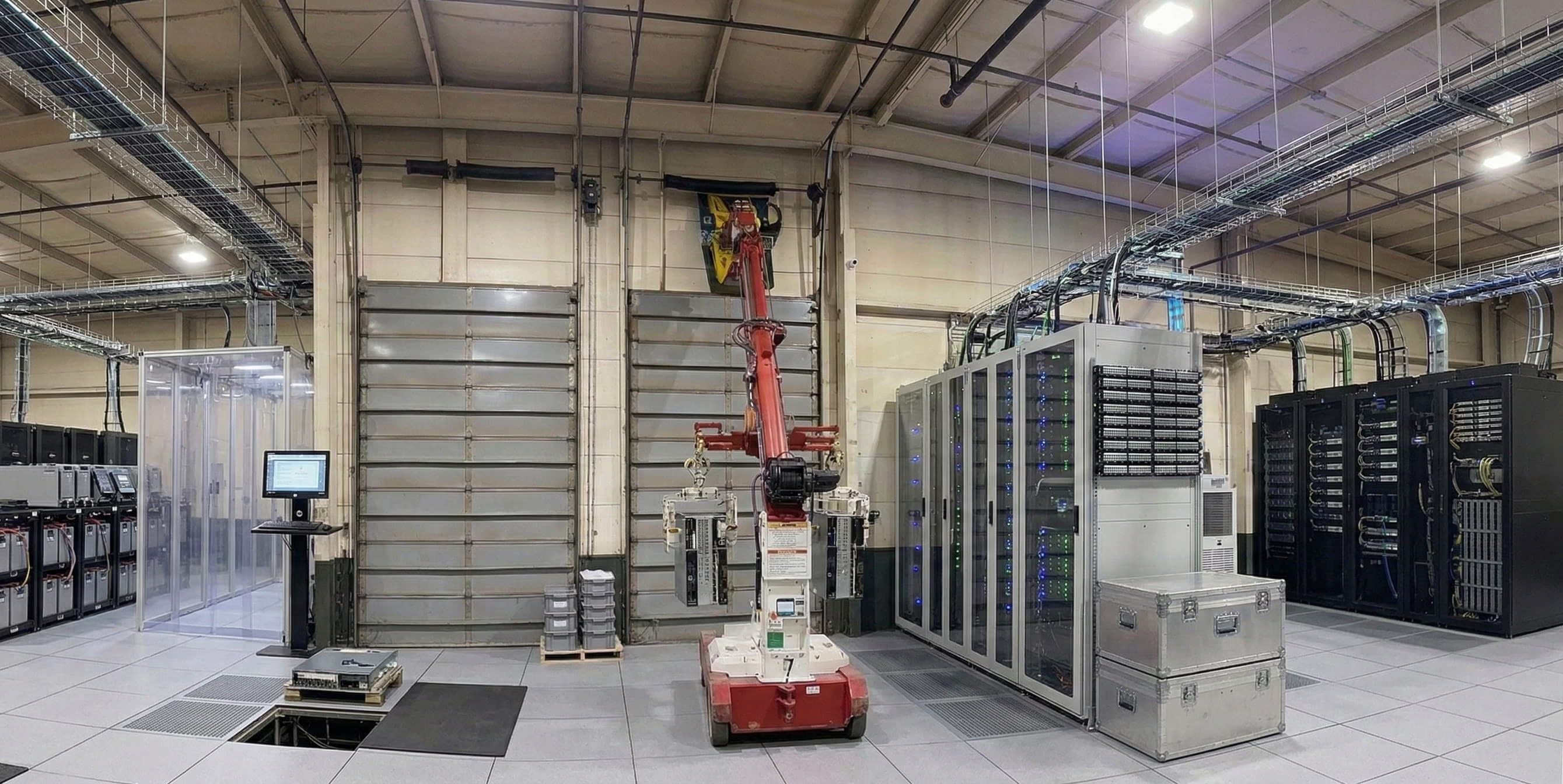
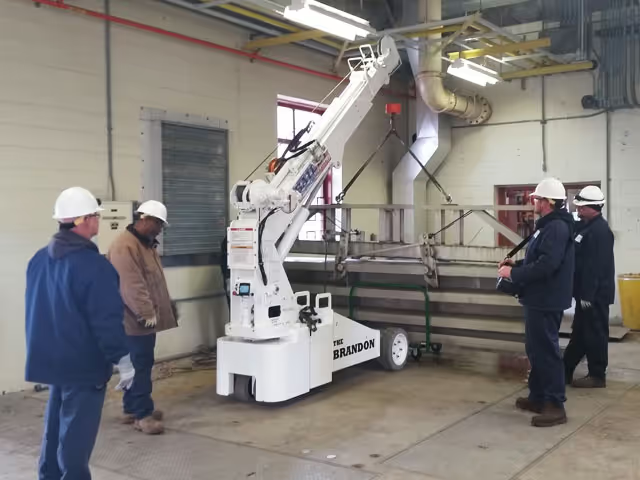
A compact handler is a compact, often electric pick-and-carry crane designed to operate in spaces where a traditional forklift, telehandler, or rough-terrain crane will not fit. Common uses: machinery installation in tight factory aisles, glass and curtainwall installation, aerospace component handling inside aircraft hangars, data center server rack lifts, and pharmaceutical clean-area equipment moves. Bailey's CH series ranges from compact units that fit through standard doorways up to higher-capacity models with telescoping booms.
Can Bailey compact handlers be used inside aircraft hangars and cleanrooms?
Yes — compact handlers can be specified with cleanroom-grade finishes, ESD protection, non-marking wheels, and low-emission electric drives. For aircraft hangars containing Class I Division 1 fuel-cell zones, Bailey also builds explosion-proof versions of select compact handler models. The combination of compact footprint, electric drive, and certifiable compliance makes compact handlers ideal for aerospace MRO and assembly.
What lifting capacity do Bailey compact handlers have?
Bailey compact handlers range from approximately 660 lb / 300 kg (compact junior models) up to 13,000 lb / 6,000 kg (higher-capacity telehandler configurations). Capacity varies with boom extension and angle — see the individual model spec pages for detailed load charts. Custom higher-capacity configurations are available for specialty MRO and OEM customers.
Are Bailey compact handlers electric or hydraulic?
Most Bailey compact handlers are battery-electric for indoor use, with hydraulic boom and lift functions powered by an onboard electric pump. Electric drive eliminates exhaust and reduces noise to safe indoor levels. Hybrid and tethered-power configurations are available for continuous-duty or weight-sensitive applications.
How tight a space can a Bailey compact handler operate in?
Several Bailey compact handlers are designed to pass through standard 36-inch doorways and operate in aisles under 4 feet wide. Compact tracked models with retractable outriggers can stage in spaces a forklift cannot enter. For exact dimensions and turning radius, see the specific model page or request a site-fit drawing.
Can Bailey compact handlers be configured with custom attachments?
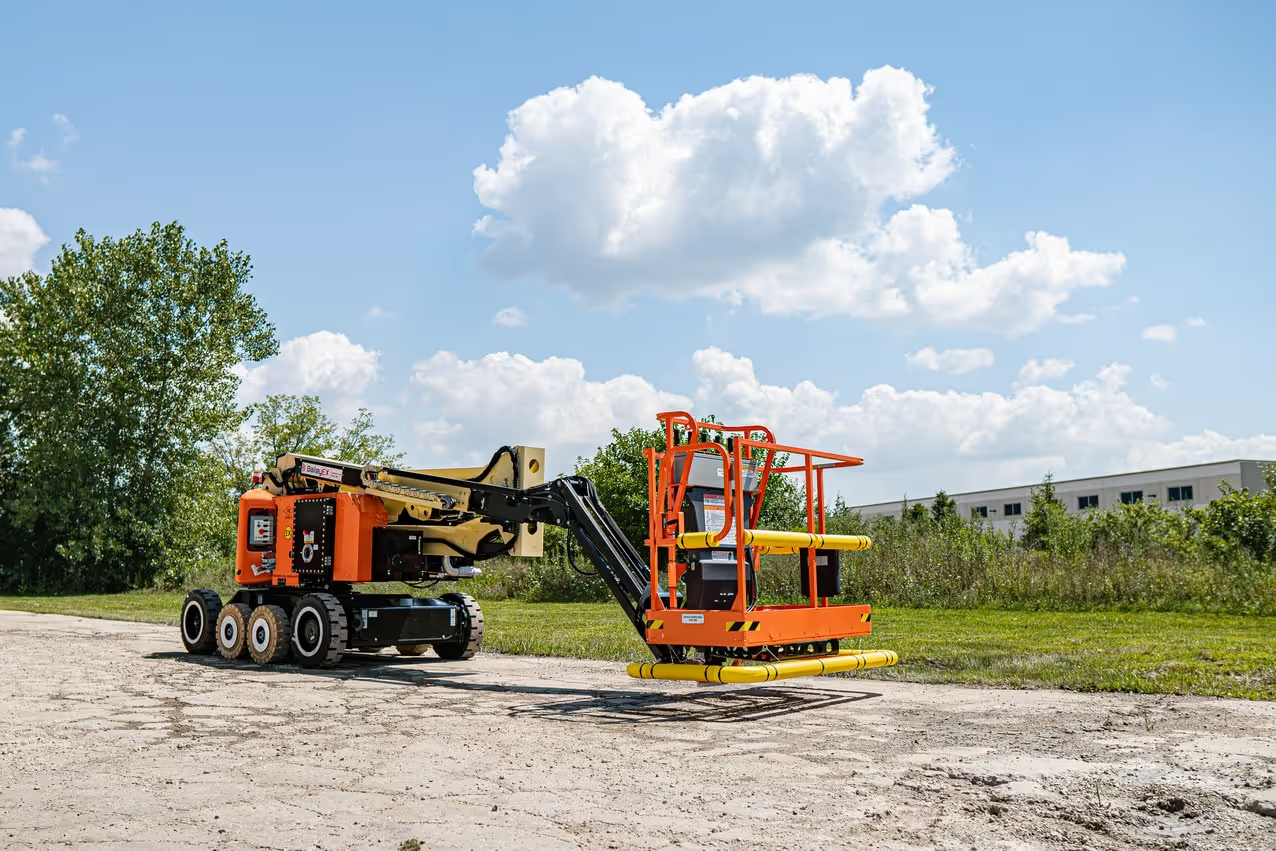
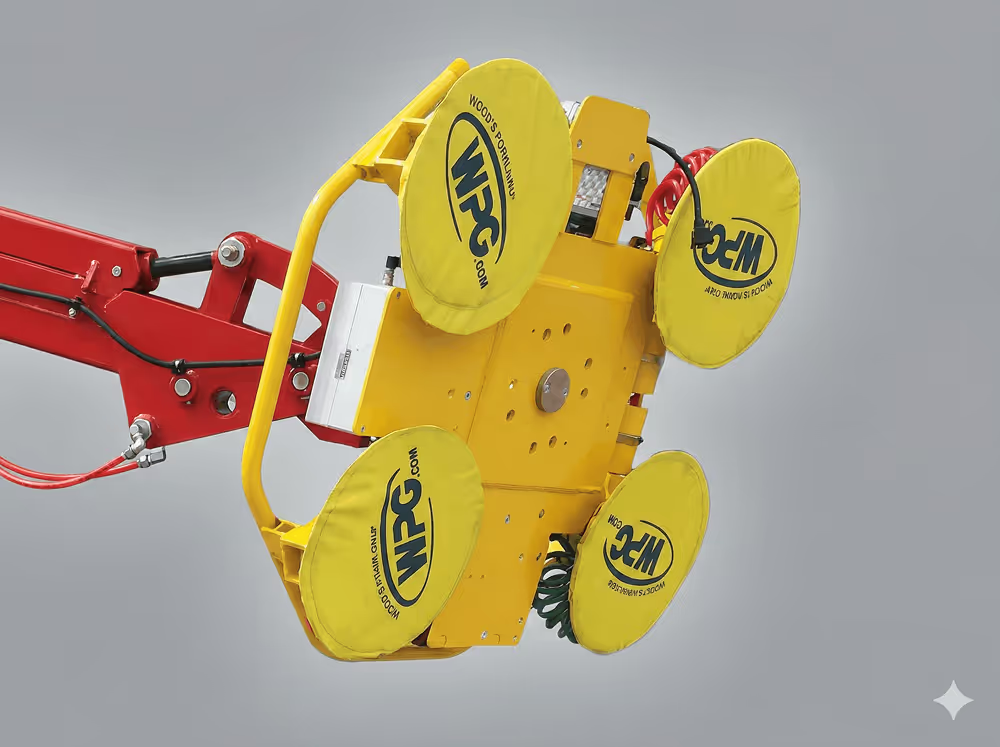
Yes — Bailey designs and manufactures custom attachments including vacuum glass lifters, fork attachments, hooks, baskets, robotic end-effectors, and 270-degree fall arrest systems. Custom attachment design is part of Bailey's in-house engineering capability and can be quoted alongside the base machine.