Why Every Crane Needs a Collision Avoidance System
That is the strength of an advanced crane anti-collision system designed for settings where failure is not an option. Every crane safety system at Bailey Cranes is designed to minimize downtime, safeguard operators, and preserve valuable assets.
Picture this for a moment:
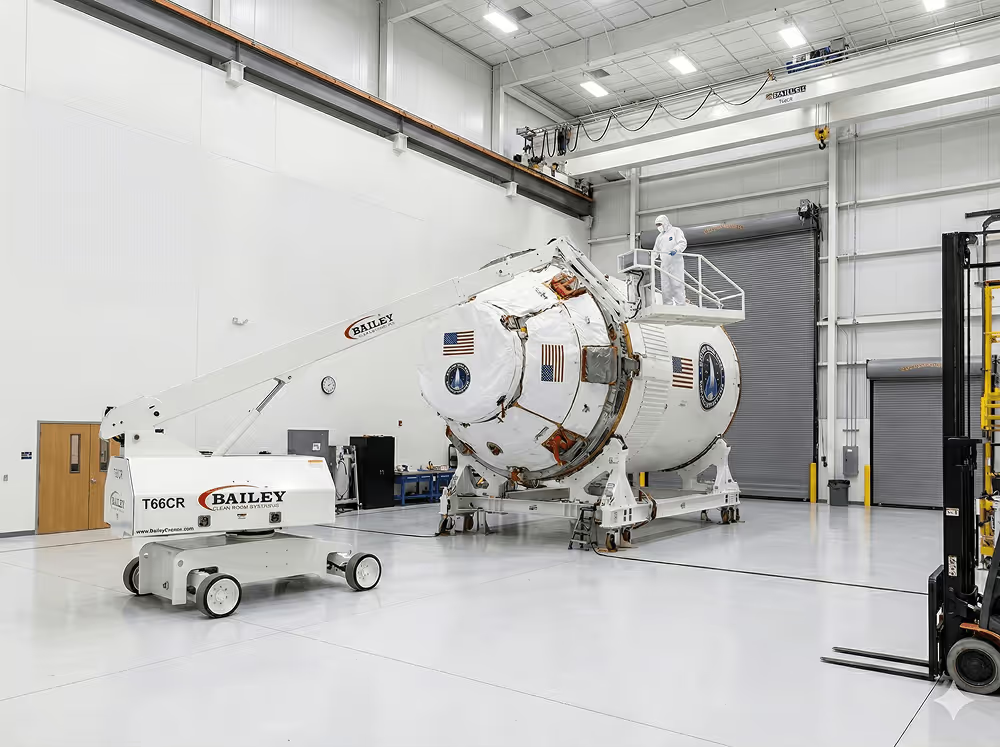
A crane operating inches from sensitive aerospace equipment.
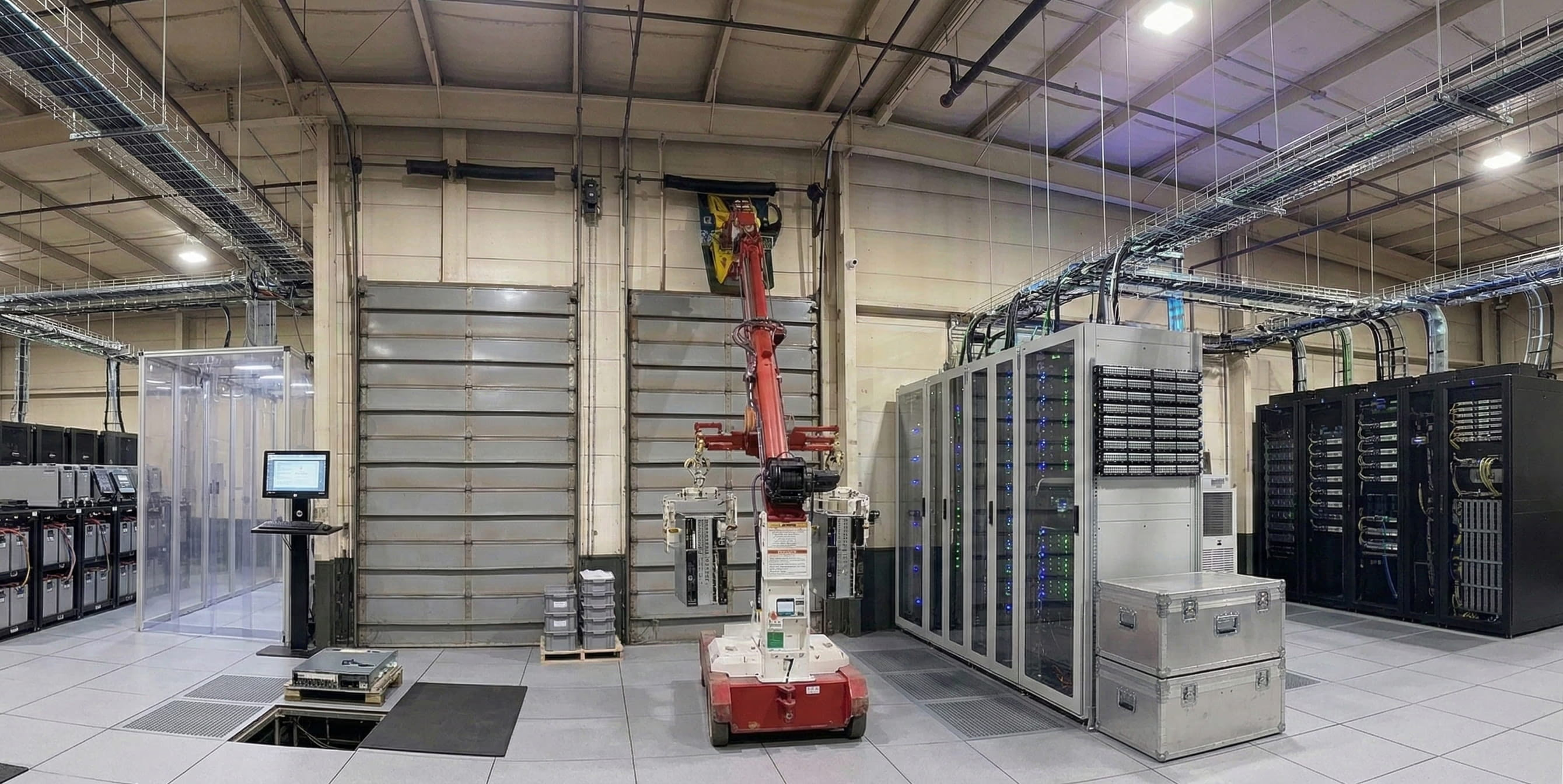
A lift navigating inside a sterile pharma cleanroom.
A single collision could shut down production or trigger compliance issues.
Safety is the foundation of operational integrity in these mission-critical environments, not just a checkbox.
Now imagine in another way
Operators maintain their attention to accuracy.
Every machinery movement is monitored by smart sensors.
In order to prevent expensive downtime, structural damage, and safety incidents, an intelligent crane collision avoidance system anticipates contact risk, slows motion, or stops equipment before impact.
That is the strength of an advanced crane anti-collision system designed for settings where failure is not an option. Every crane safety system at Bailey Cranes is designed to minimize downtime, safeguard operators, and preserve valuable assets.
This blog will examine the reasons why every crane requires a dependable crane collision prevention system, including tailored solutions for overhead crane collision avoidance and anti-collision systems that are trusted by mission-critical industries.
The Critical Role of Anti-Collision Systems in Safe Crane Operations
An oversight is not tolerated in mission-critical locations. The reason is that cranes frequently work close to delicate materials, skilled workers, and precision machinery, increasing the risk of collisions.
A strong crane safety system guards against unintentional contact, guarantees controlled lifting operations, and safeguards people and property. Crane anti-collision systems are crucial for dependable operations and sustained productivity in sectors where performance is driven by uptime, accuracy, and safety.
Benefits Of Crane Collision Avoidance Systems
In addition to preventing mishaps, a crane safety system safeguards vital machinery and maintains uninterrupted operations. Here are benefits of collision-avoidance technology that promotes mission-critical environments that are safer, smoother, and more effective.
1. Prioritize safety
Damage is avoided and accidents are decreased with a crane anti-collision system. It offers dependable protection, which is essential in places with stringent safety regulations.
2. No Unexpected Downtime
Production halts and equipment repairs are expensive. Unexpected shutdowns are prevented, and seamless operations are guaranteed by a crane collision prevention system.
3. More Control and Accuracy
In high-stakes environments, every lift must be exact. Our system supports controlled, accurate positioning to avoid contact with restricted zones and critical equipment.
4. High-Value Asset Protection
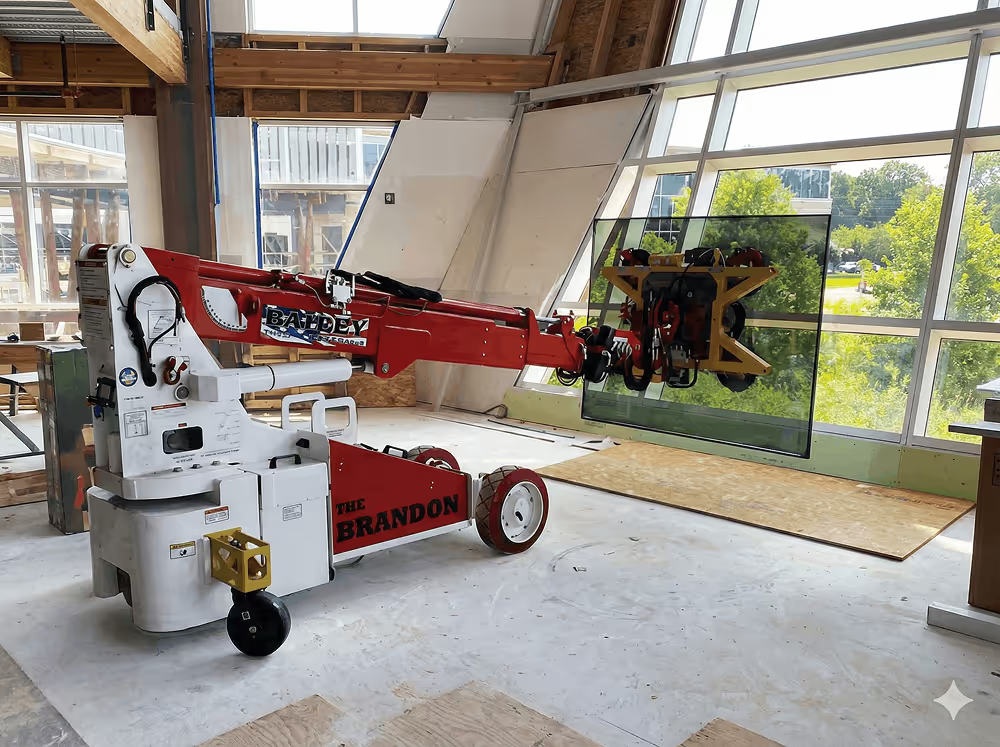
Cranes frequently operate near machinery, delicate equipment, glass panels, control systems, and chemical installations. Everything in the crane’s path is protected by an anti-collision device.
5. Adherence to Safety Regulations
Crane anti-collision systems are trusted by industries with stringent regulations, such as FDA-regulated pharmaceutical plants and explosive-rated operations, to uphold compliance and lower risk.
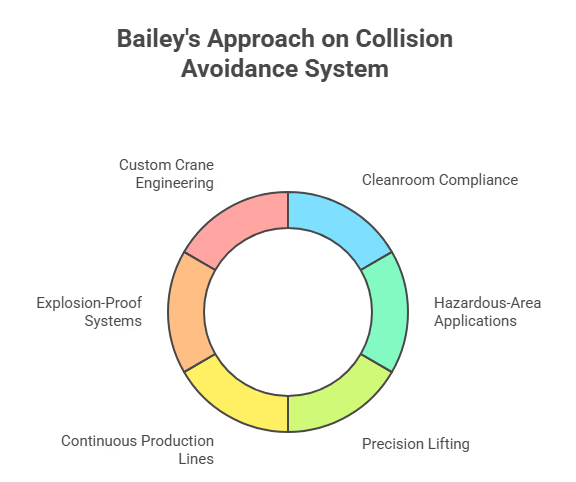
Bailey Cranes’ Approach to Collision Avoidance Systems
As a veteran-owned crane and MEWP manufacturer based in Muskego, Wisconsin, Bailey Cranes designs equipment for industries with a purpose where zero-failure performance is non-negotiable. Our team believes that collision avoidance is one of the core concepts of how we build machines for mission-critical environments.
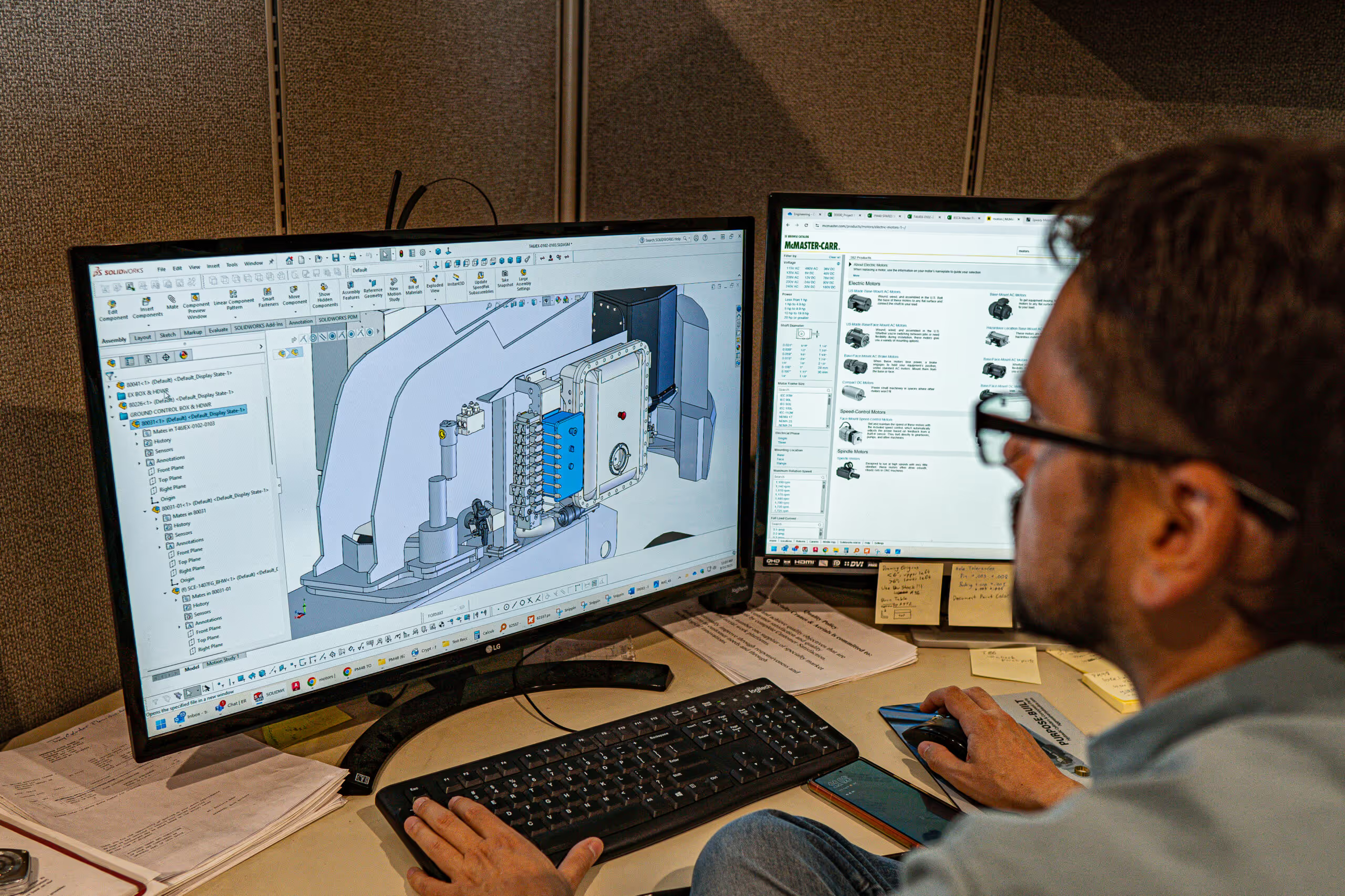
Every lifting requirement is unique, and our engineering team develops custom-built systems to match the exact needs of each facility.
Key elements of our approach include:
Custom-configured detection zones designed for your workspace layout.
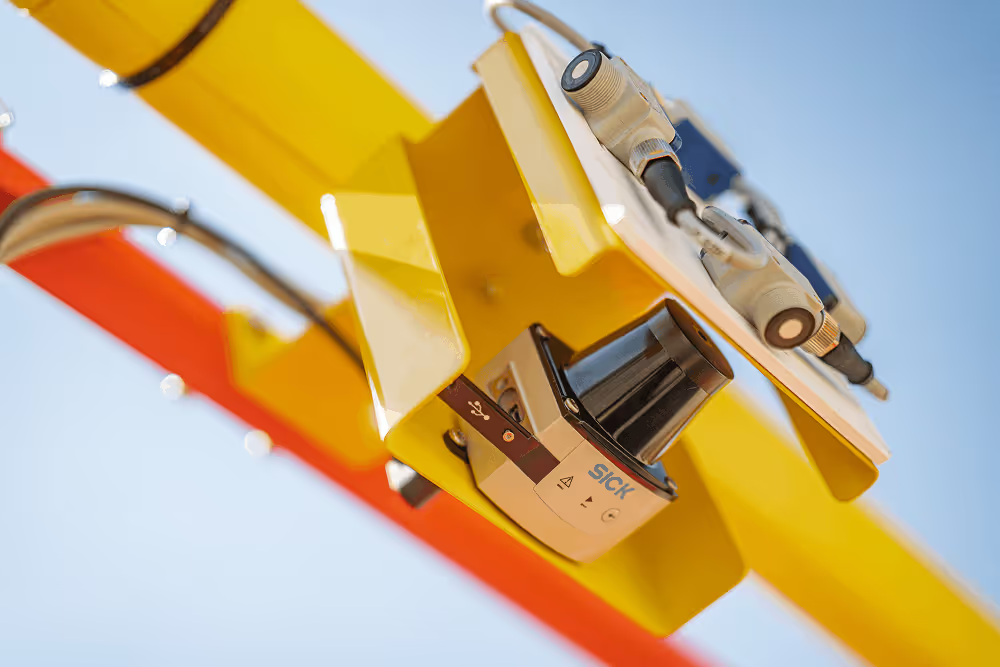
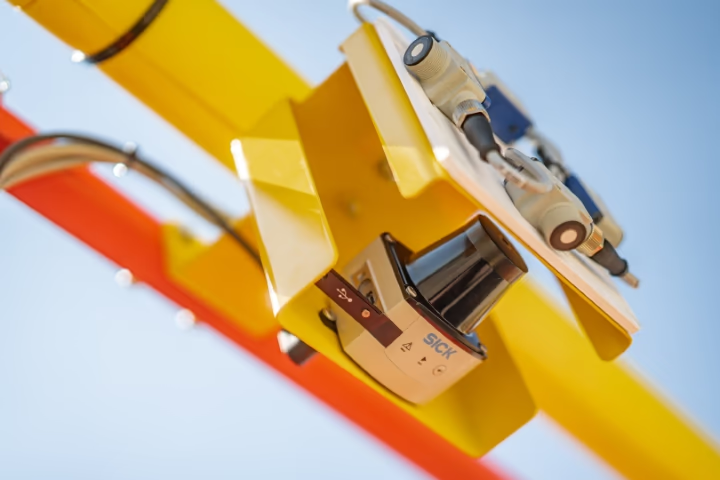
Integrated laser sensors that build a protective field around the lift.
Automatic slowdown and stop functions to prevent contact with personnel, equipment, or structures.
Override options for controlled operation when special movements are required.
Continuous monitoring to support smooth performance and reduce unnecessary machine wear.
Collision Avoidance in Bailey Equipment
Our technology is embedded across models to support safe operation in tight, high-precision spaces:
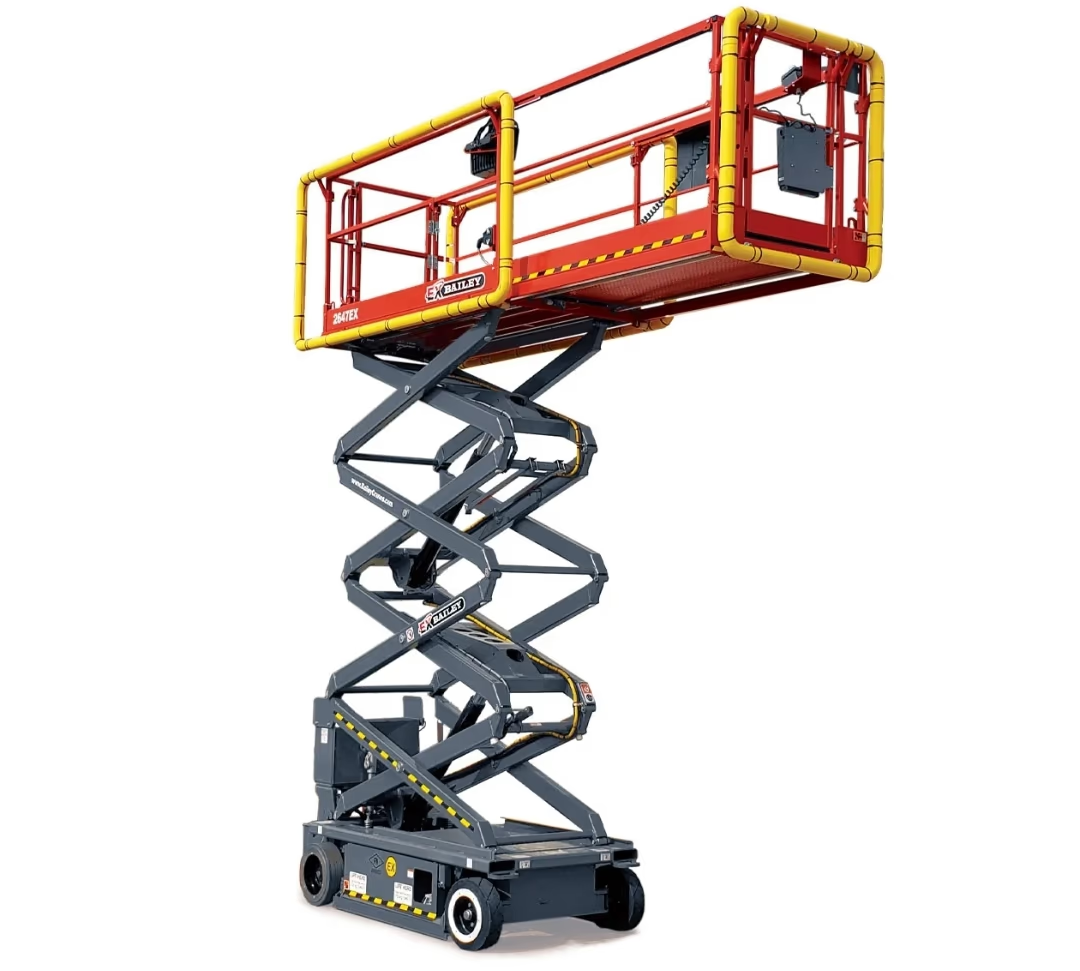
Scissor lifts with moving scanner coverage and automatic speed control.
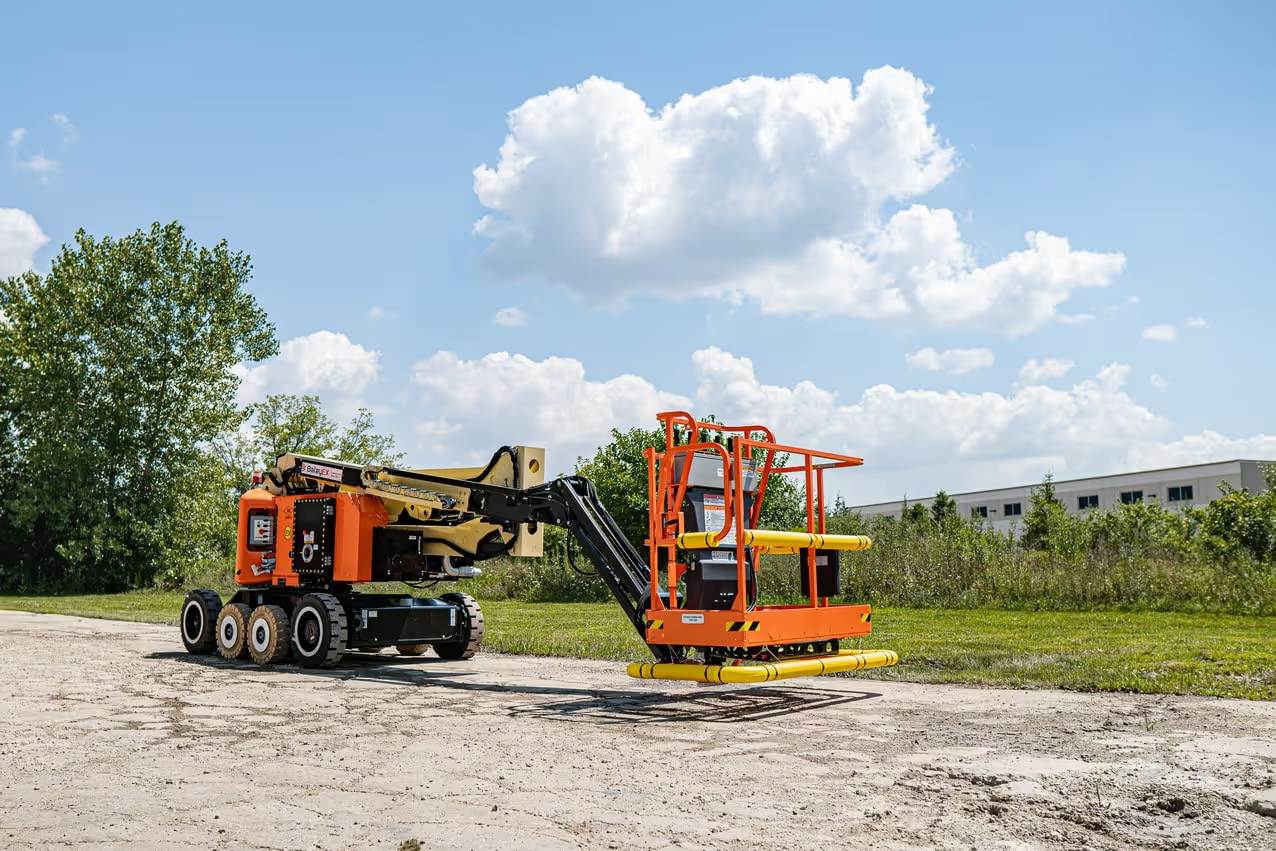
Boom lifts equipped with multi-direction sensing and instant stop protection.
4-laser systems creating clear warning zones for increased operator awareness.
Rugged, job-site-rated components, including IP67-rated sensors for reliability.
Conclusion
For mission-critical crane operations, dependable anti-collision technology is highly important. From defense facilities to advanced manufacturing floors, proactive safety helps teams maintain uptime, precision, and confidence during every lift. Bailey Cranes provides engineered safety systems that guarantee operator confidence, safeguard assets, and anticipate impact risk. To ensure performance and uptime, get in touch with sales@baileycranes.com or 262-710-4028 for customized crane collision-avoidance solutions designed for precision environments.
FAQs
1. How does a crane anti-collision system improve safety?
It detects obstacles or another crane and stops motion automatically, reducing risk and protecting workers and equipment.
2. Do I need an overhead crane collision avoidance system if operators are trained?
Yes. Even skilled operators need assistance with using the overhead crane anti collision system in tight spaces and mission-critical environments, reducing human error and improving reliability.
3. Can Bailey Cranes install an anti-collision device for cranes in existing systems?
Yes. Bailey offers both new-system integration and retrofit options for existing cranes in sensitive or regulated facilities.
Ready to lift your service?
Contact our sales team to see how we can build out a custom design for your application today.
Partner with Bailey to transform proven platforms or build fully custom lifting solutions—engineered, manufactured, and supported under one roof for mission-critical environments where failure is not an option.
Bailey Cranes is a Service-Disabled Veteran-Owned engineering and manufacturing firm based in Muskego, Wisconsin. We specialize in precision access solutions for industries where the margin for error is zero.