




What is the Difference Between Hoists and Cranes?
Picture a construction site where heavy materials are precisely positioned with seemingly magical ease. Behind this positioning lie two critical pieces of equipment: hoists and cranes.
Many professionals in material handling and industrial operations find themselves puzzled by the subtle yet significant distinctions between hoists and cranes. It’s a common misconception that these terms are interchangeable, but understanding their unique characteristics can mean the difference between efficient operations and costly mistakes.
Defining the Basics: Hoists vs Cranes
A hoist is a specialized piece of equipment designed primarily for the vertical lifting and lowering of loads. Think of it as a precise, focused machine with a singular purpose. In contrast, a crane is a more complex, multidirectional system that provides comprehensive load movement capabilities. The essential difference lies in their movement patterns and operational flexibility.
The Anatomy of a Hoist
A hoist is typically mounted on a horizontal beam and performs a very specific task: lifting and lowering loads vertically. Whether powered manually, electrically, or pneumatically, hoists excel at their primary function of vertical transportation. They come in various types:
- Chain hoists (ideal for loads under 5 tons)
- Wire rope hoists (optimal for heavier loads)
- Manual hoists
- Electric hoists
- Pneumatic hoists
The Comprehensive Nature of Cranes
Crane systems are significantly more sophisticated. A complete crane setup involves multiple components working together to provide comprehensive load movement. The primary components include:
- Bridge (main horizontal beam)
- Trolley (horizontal movement mechanism)
- Hoist (vertical lifting mechanism)
- End trucks (for runway movement)
Movement Capabilities: A Key Differentiator
The most significant distinction between hoists and cranes lies in their movement capabilities. A hoist is limited to vertical lifting and lowering, confined to a single plane with precise and focused movement. In contrast, a complete crane system offers multi-directional mobility, including vertical lifting, horizontal traversing, and bridge movement along a runway, providing full coverage of the workspace.
Types of Cranes
Different cranes cater to different industrial needs:
- Top Running Cranes
- Under Slung Cranes
- Gantry Cranes
- Monorail Cranes
Each type offers unique advantages depending on the specific material-handling requirements, workspace constraints, and load characteristics.
Power and Performance Considerations
When evaluating a hoist and crane system, several critical factors come into play. Hoists can be powered through various methods, including manual gear and pulley systems, electric motors, pneumatic (compressed air) systems, and hydraulic mechanisms. Crane systems typically require more complex electrical systems, including runway busbar power collection, main bridge panel electronics, festoon cable power distribution, and pendant or radio control mechanisms.
Practical Applications
The choice of a hoist system depends on specific industrial requirements. Hoists are ideal for elevator mechanisms, vertical material movement in confined spaces, precision lifting in manufacturing, and maintenance scenarios. Comprehensive crane systems are used in large warehouses, manufacturing facilities, construction sites, shipyards, ports, and heavy industrial environments requiring multidirectional load movement.
Maintenance and Longevity
Proper maintenance is crucial for both hoists and cranes. This involves regular rope and cable inspections, lubrication of moving parts, monitoring load capacities, periodic electrical system checks, and comprehensive safety assessments to ensure optimal performance and safety.
Making the Right Choice: Hoist vs Crane
When deciding between a hoist and a crane system, critical considerations include total load weight, required movement range, workspace dimensions, frequency of use, and budget constraints. It’s essential to evaluate these factors to select the most appropriate lifting solution.
Safety Considerations
Both crane and hoist systems require rigorous safety protocols. This includes strict adherence to load limits, regular maintenance, comprehensive operator training, safety mechanism checks, and periodic professional inspections to prevent accidents and ensure workplace safety.
Conclusion
Understanding the important differences between hoists and cranes is essential for effective material handling. While they might seem similar, these systems serve distinct purposes. A hoist is a focused vertical lifting tool, whereas a crane is a comprehensive movement solution.
By understanding their unique characteristics, industries can optimize their material handling processes, enhance workplace efficiency, and ensure safety in complex industrial environments.
Ready to lift your service?

Additional Content
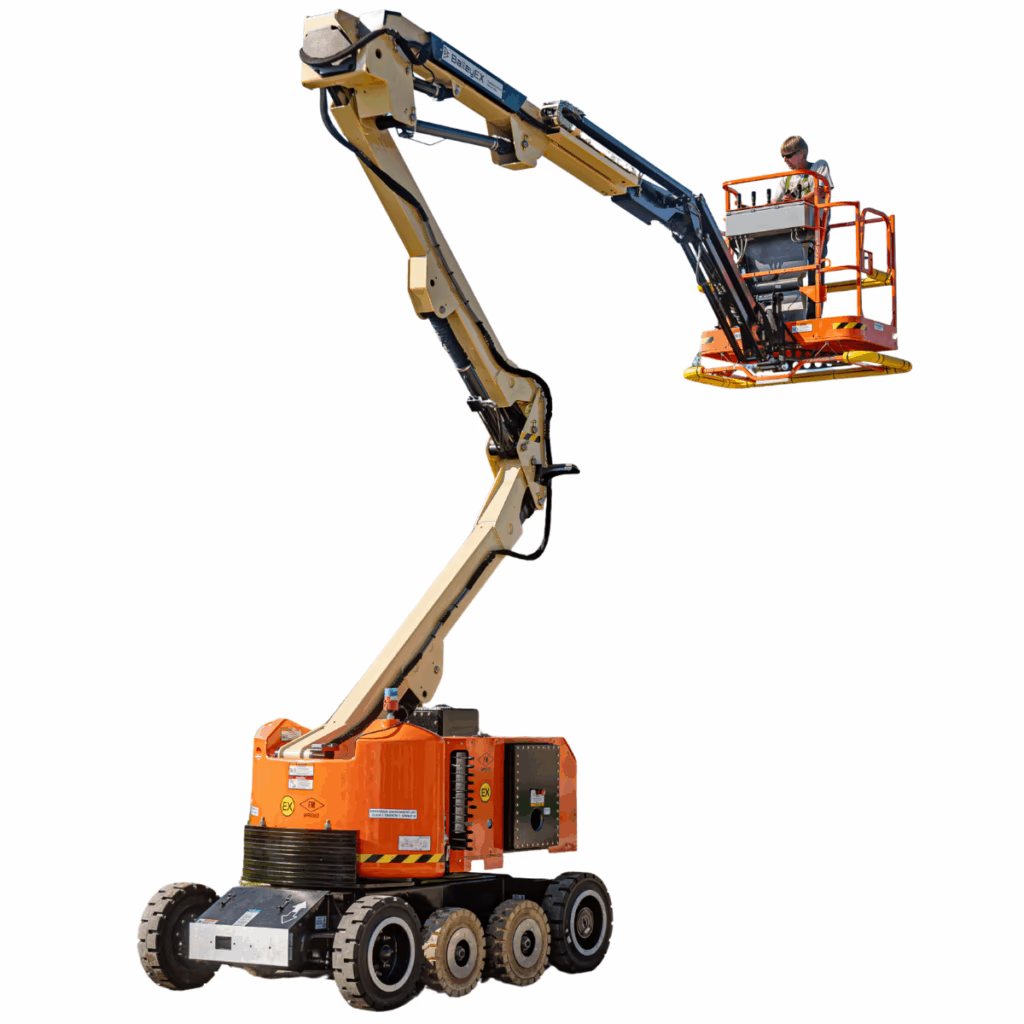
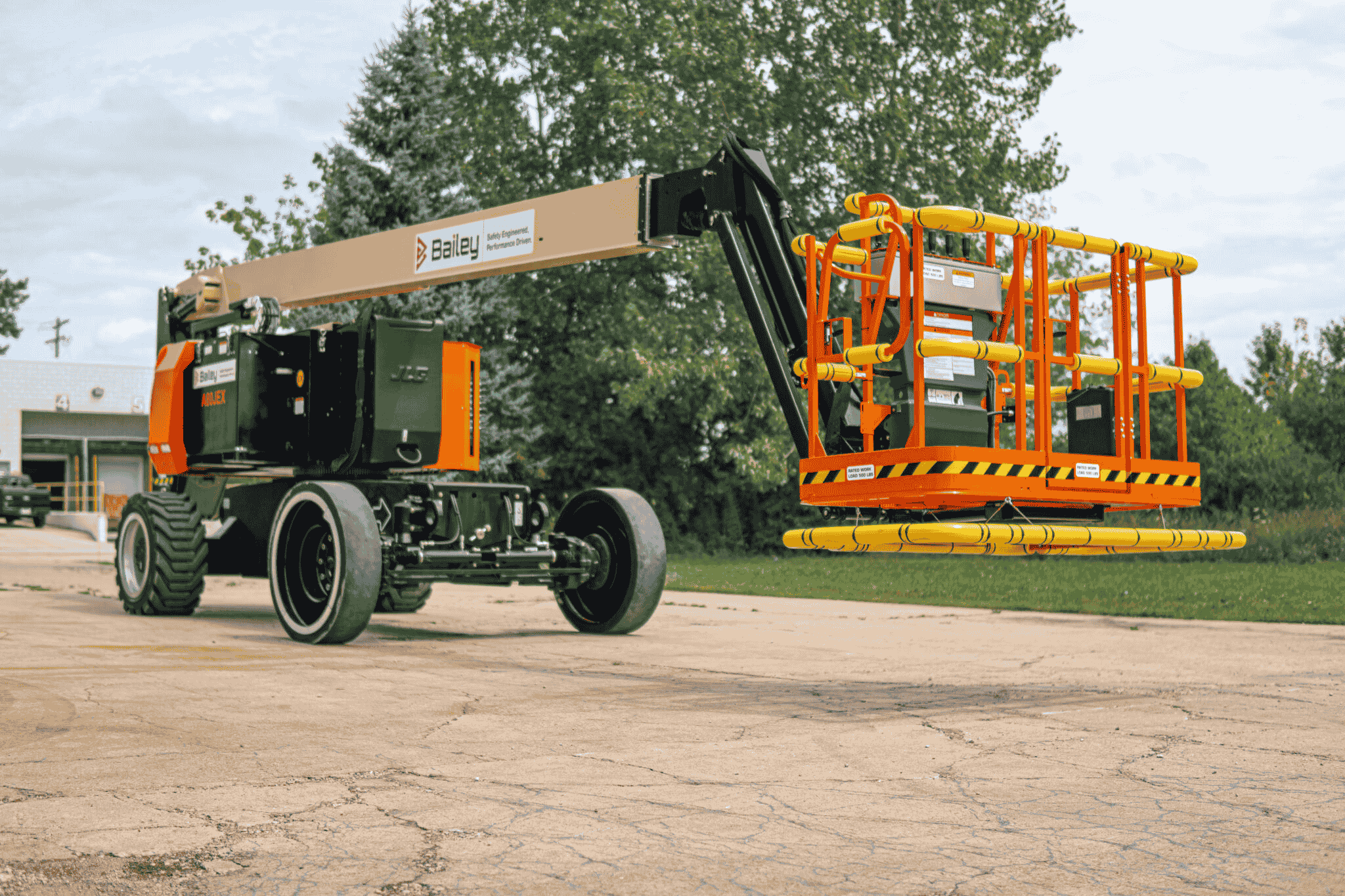
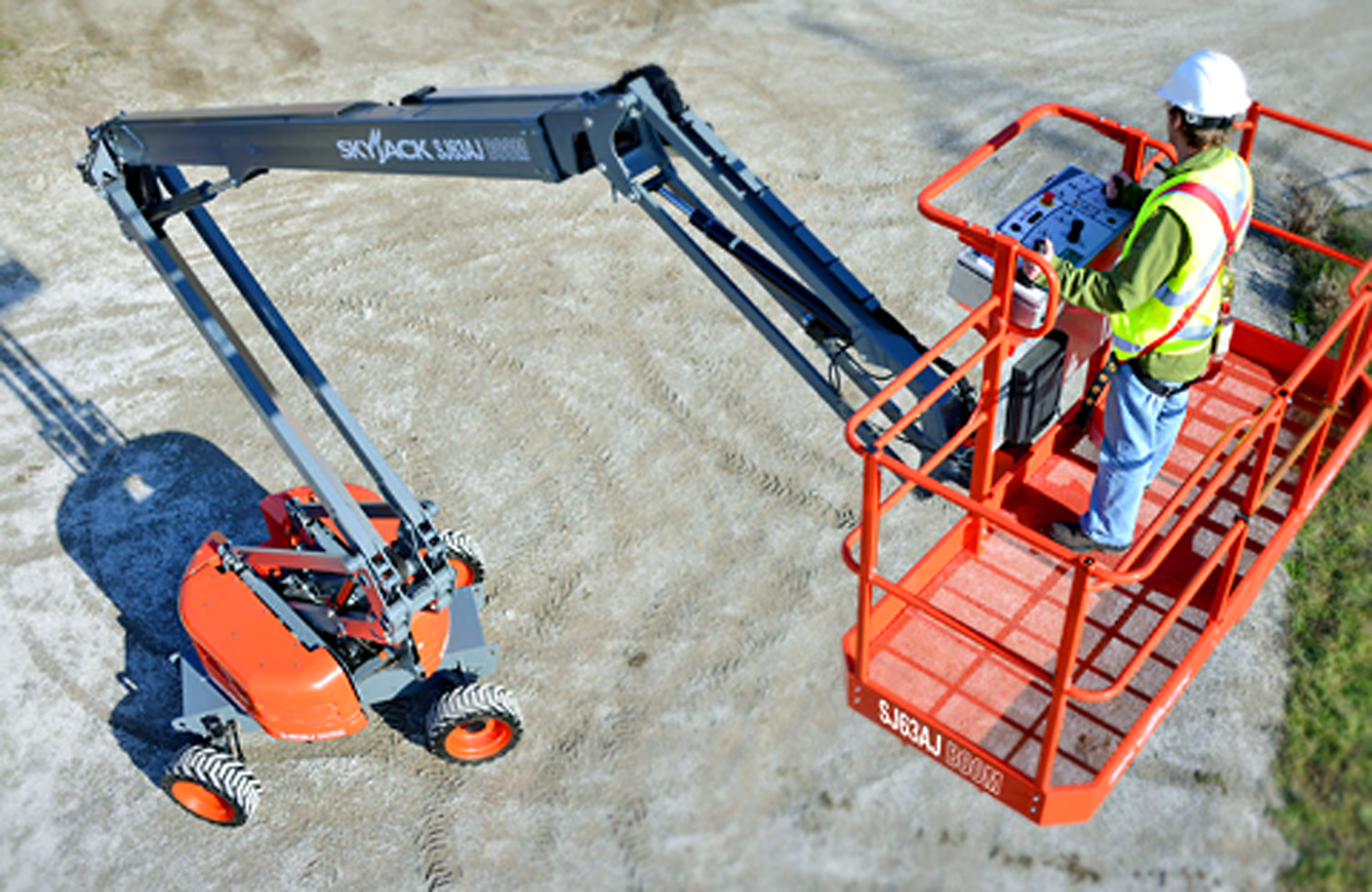
Proven Platforms. Precision-Engineered Solutions.
Partner with Bailey to transform proven platforms or build fully custom lifting solutions—engineered, manufactured, and supported under one roof for mission-critical environments where failure is not an option.