What is required to keep an area completely free from contaminants?
In industries like pharmaceuticals, biotechnology, and semiconductor manufacturing, accuracy, control, and the right instruments are essential since even a single microscopic particle might compromise quality, safety, or regulatory compliance.
Contamination often occurs during the handling of materials or maintenance at elevated locations, even with the significance of air filtration and controlled entry systems. Since traditional lifting devices are not intended for sterile settings, lifts that comply with cleanroom standards are essential for any contamination management strategy.
Cleanroom lifting equipment is engineered to function efficiently and produce minimal particles, enabling secure vertical access and handling while maintaining the cleanroom’s integrity. This blog explores how these cleanroom lifts preserve sterility and safeguard procedures in essential environments.
How Cleanroom Lifts Support Contamination-Free Environments
1. Engineered for Ultra-Clean, Controlled Zones
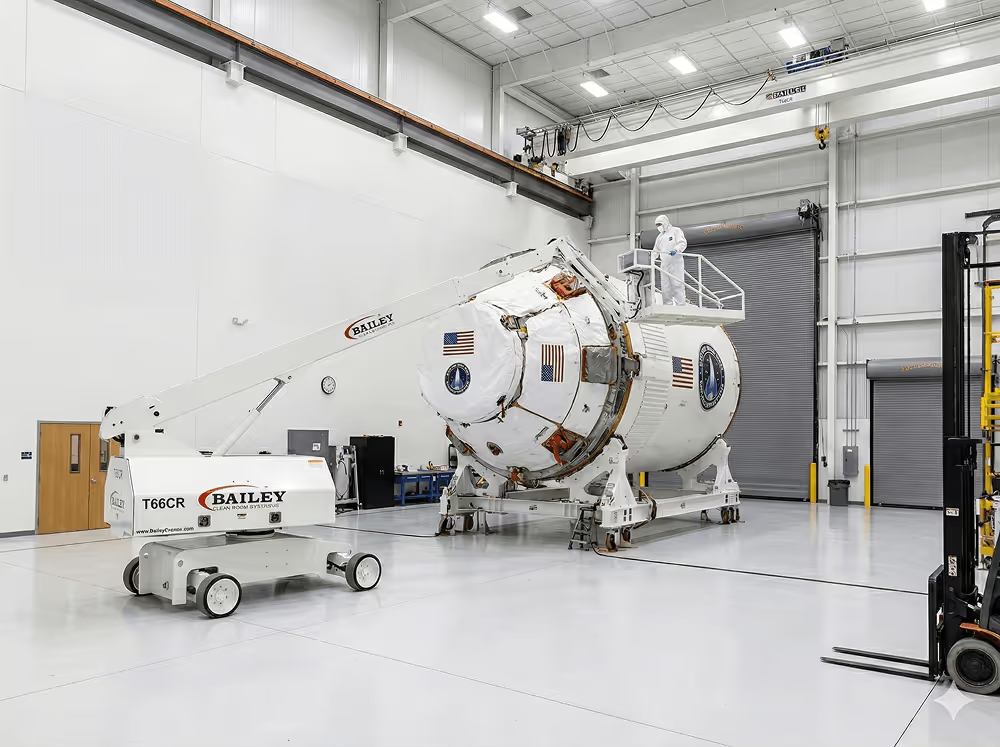
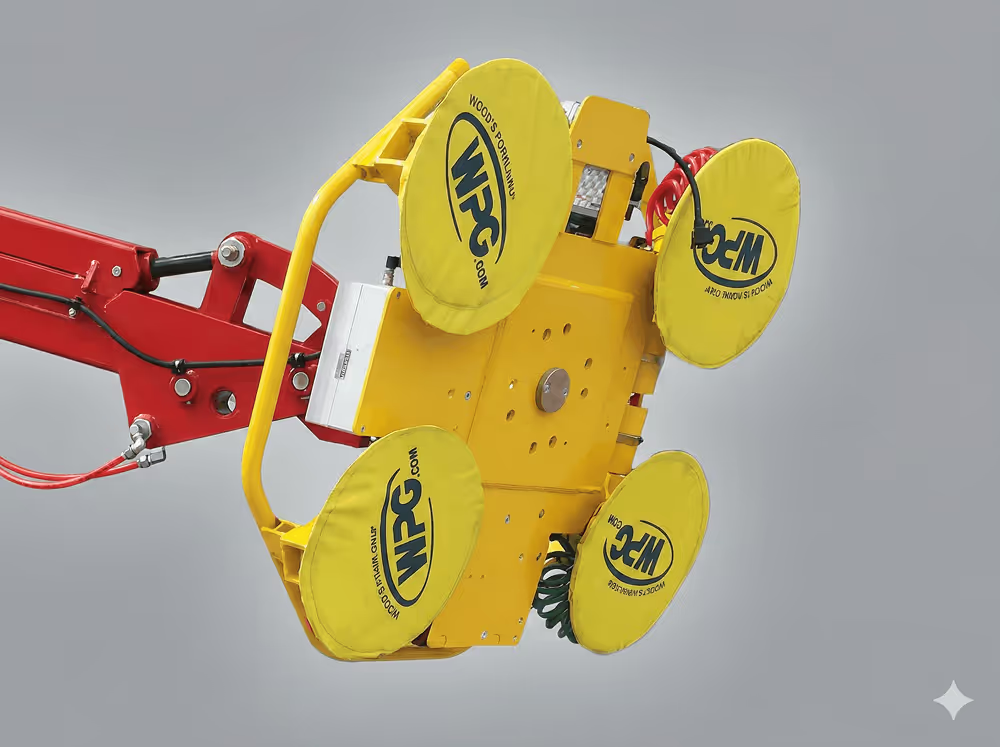
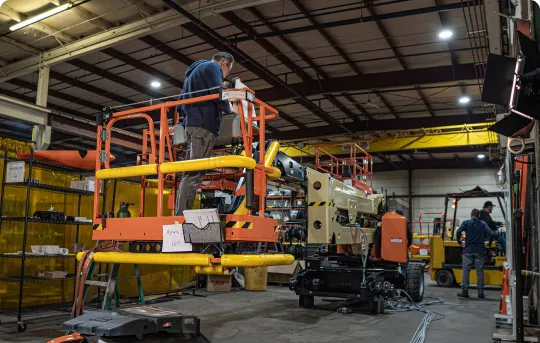
Cleanroom lifting equipment is specifically engineered to minimize particle release while operating in sterile environments. These lifts employ sealed systems, smooth surfaces, stainless-steel parts, and non-shedding materials to prevent flaking, dust transfer, and lubricant exposure.
Unlike conventional machinery, every component is designed to ensure air cleanliness, making them suitable for strict ISO-classified cleanrooms in pharmaceutical, semiconductor, and biotech settings.
2. Protects Sensitive Materials & Infrastructure
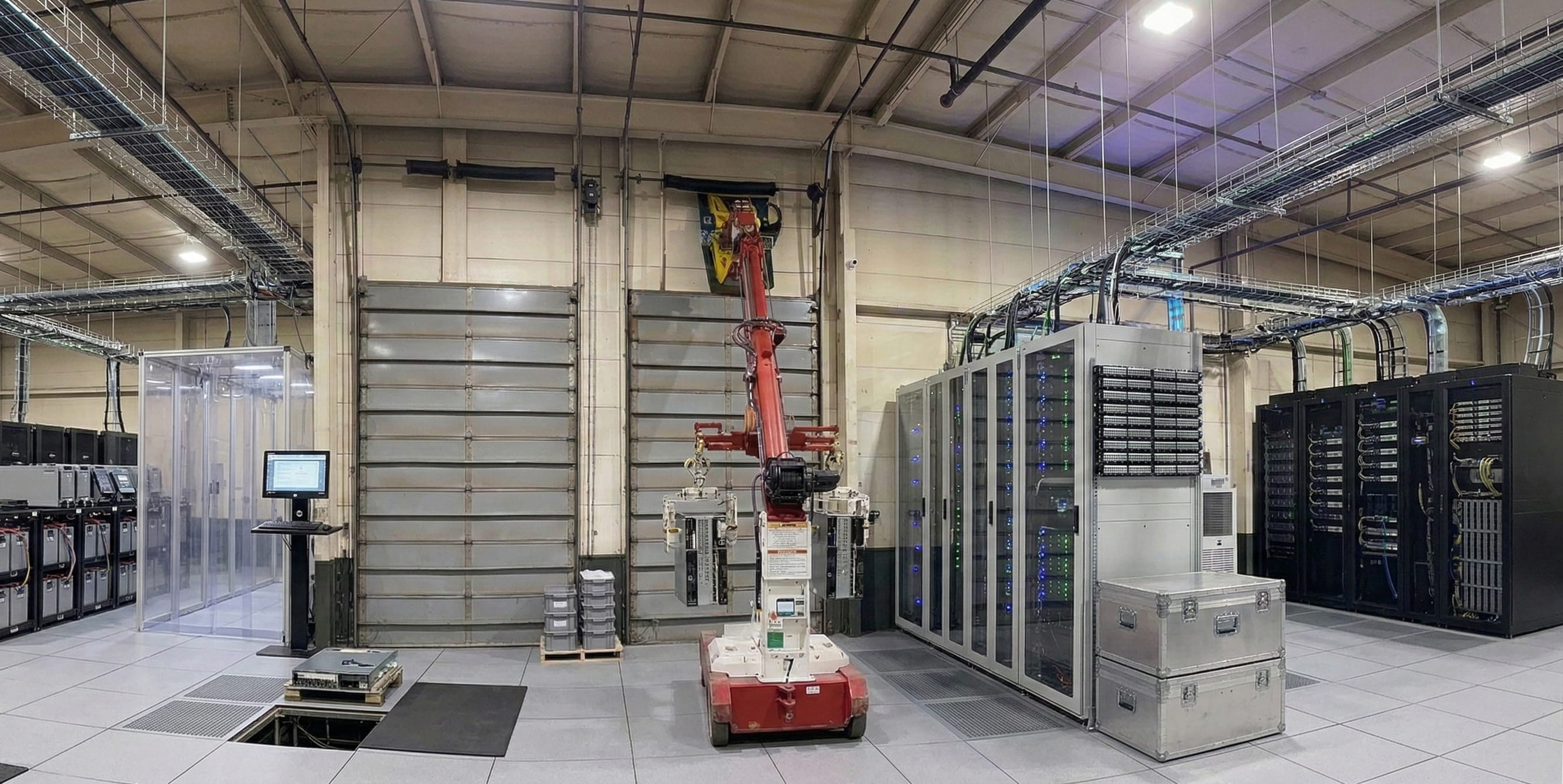
Modern cleanrooms manage extremely delicate materials such as bioreactors, sterile packaging systems, wafer carriers, and micro-assembly workstations. Clean room lifts enable safe lifting, accurate positioning, and movement without disturbing surfaces or affecting delicate equipment. Their steady movement reduces touchpoints, avoids unintended contact with sterile surfaces, and protects delicate parts from impacts or microscopic contamination risks during handling.
3. Enhances Efficiency in Sensitive Workspaces
Cleanroom cranes and elevated access lifts facilitate tasks like module assembly, maintenance of overhead utilities, loading chambers, or positioning sterile components. They enable faster, tidier, and more uniform procedures without compromising hygiene standards.
These systems allow teams to effectively finalize essential tasks with dependable actuation and low noise, eliminating laborious manual processes while preserving air quality and steady production.
4. Maintains Cleanroom Air Stability
Cleanrooms rely on stable, uninterrupted airflow to keep contaminants from circulating. Standard lifts can stir up turbulence and disrupt laminar flow.
Cleanroom-compatible lifts use controlled drive systems, enclosed power units, and quiet, balanced motion profiles that keep air pathways steady. This ensures that filtered air movement remains uniform, protecting sterility during movement, adjustments, and maintenance tasks.
5. Designed to Meet Strict Cleanroom Standards
Regulated environments must demonstrate that their equipment complies with standards for cleanliness, safety, surface compatibility, and hygiene. Manufacturers of cleanroom lifts create platforms that adhere to ISO cleanroom compliance standards.
These elevators incorporate traceable materials, sealed enclosures, and non-reactive coatings, promoting audit-compliant operations and helping organizations maintain certifications while ensuring efficient handling and cleanliness in the space.
6. Ensures Worker Safety in Sterile Zones
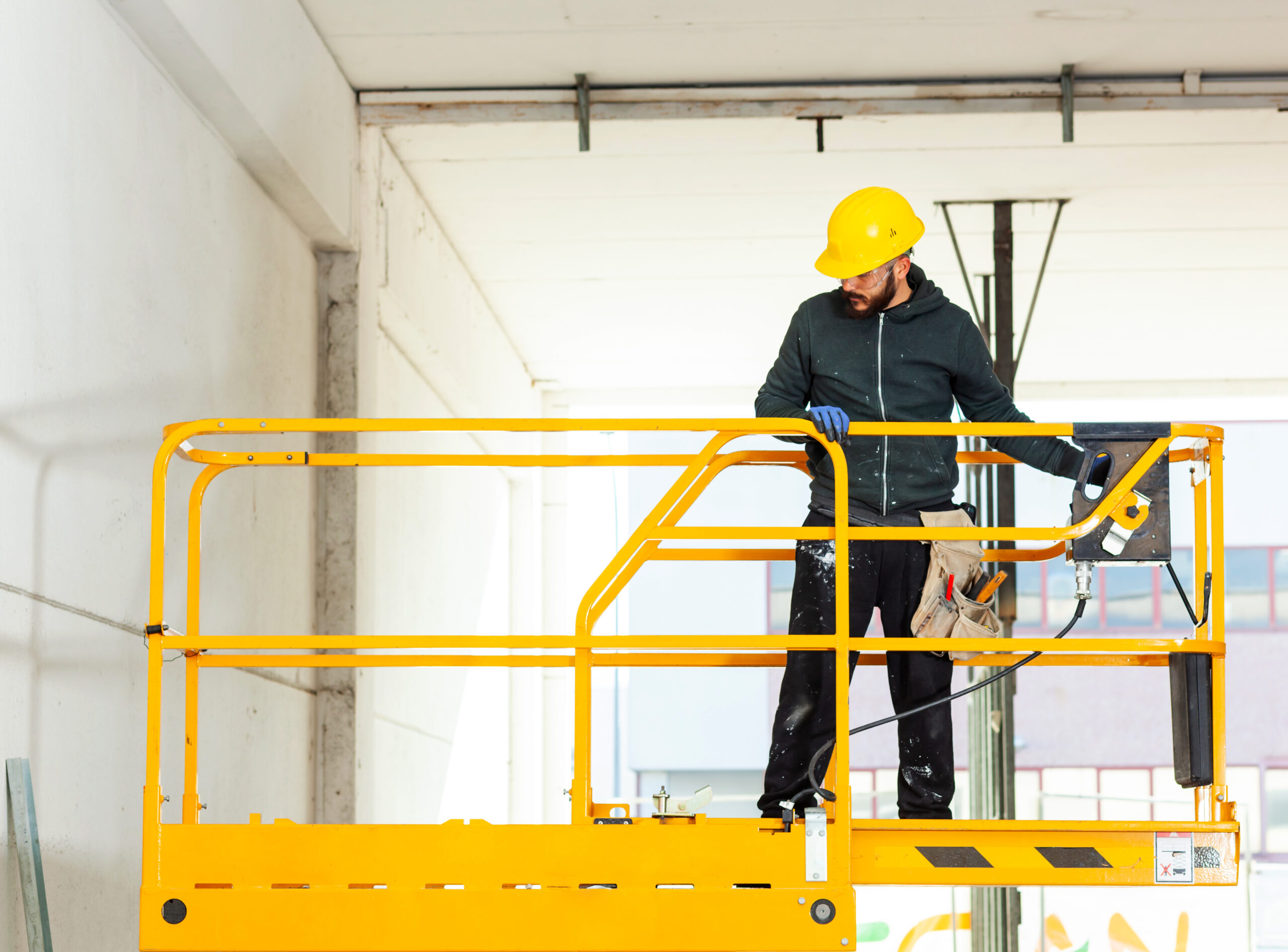
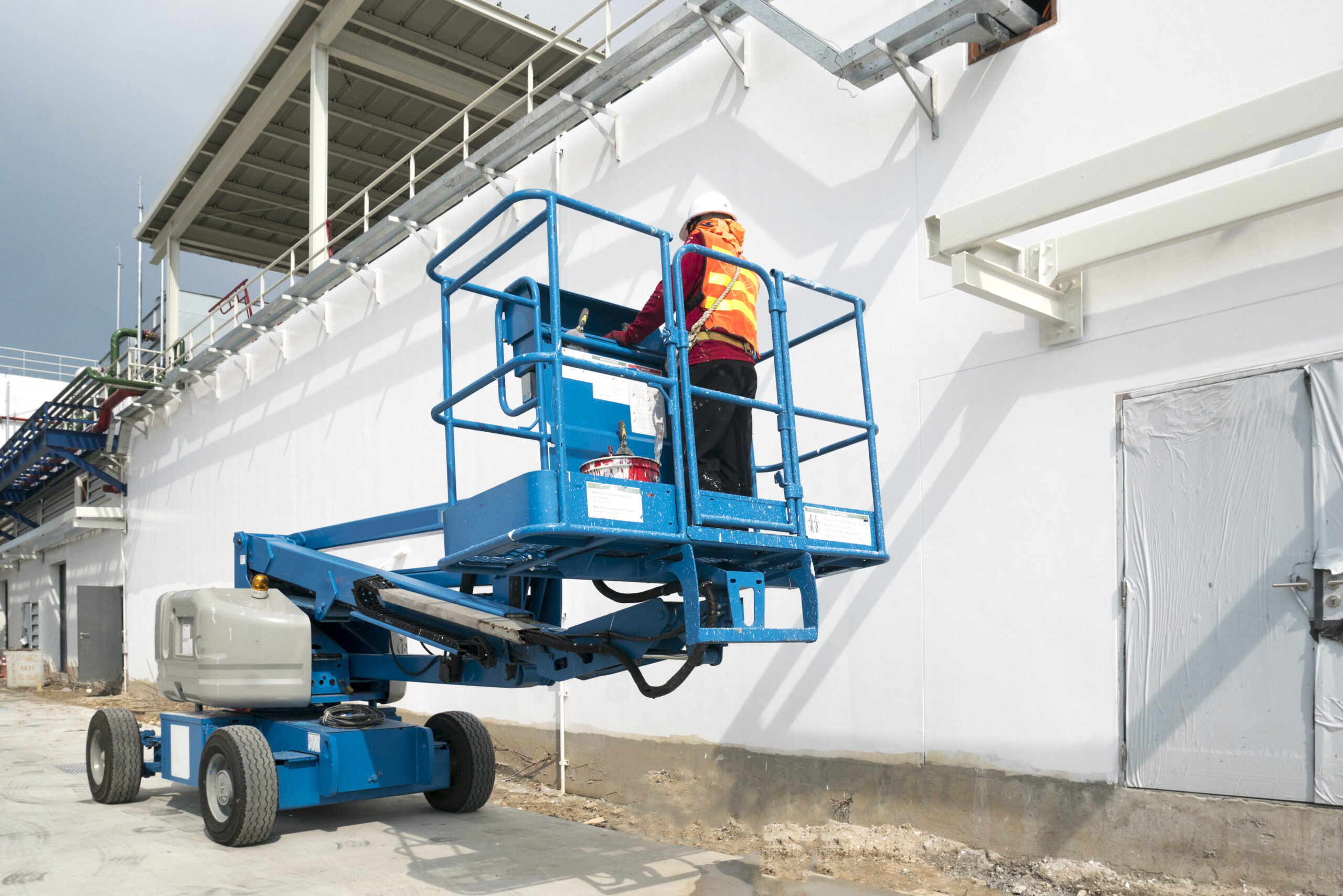
In controlled settings, safety and ergonomics are as vital as cleanliness. Lifts that meet cleanroom standards enable workers to reach high areas without the use of ladders, avoiding overreaching or handling tools in unsafe manners. Their reliable platforms, low-vibration operation, and contained mechanisms ensure safe functioning at elevations, safeguarding workers while upholding sterile environments in critical work zones.
Bailey Cranes’ Approach to Cleanroom Lifting Solutions
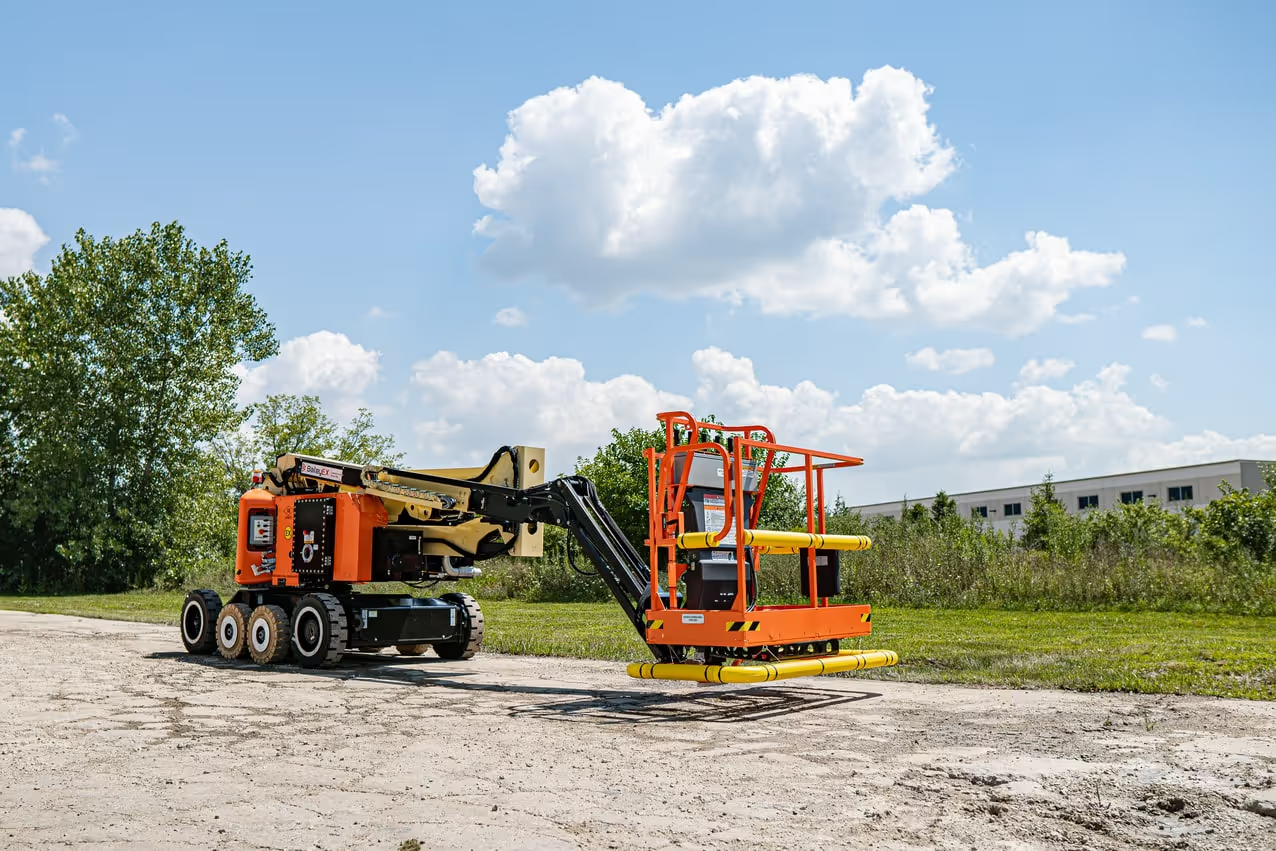
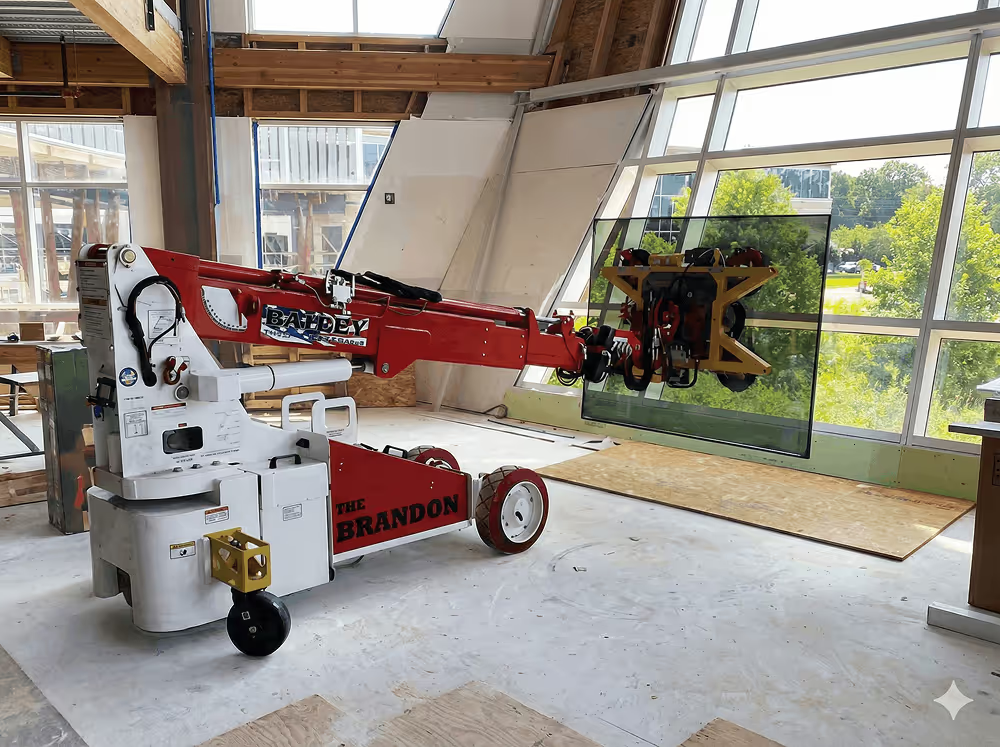
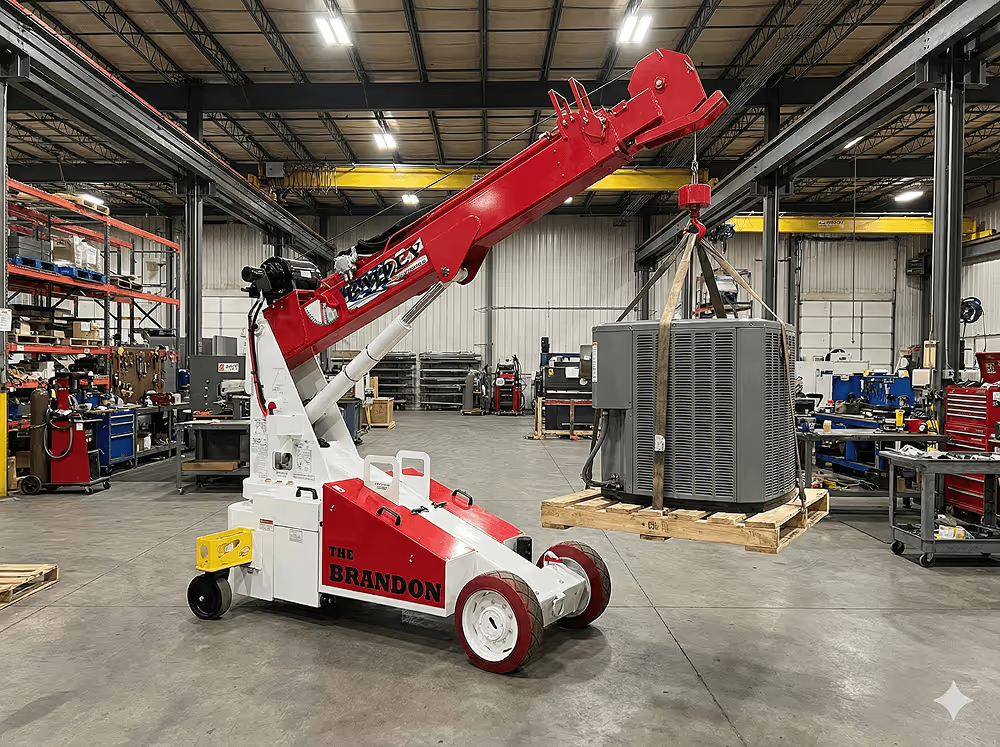
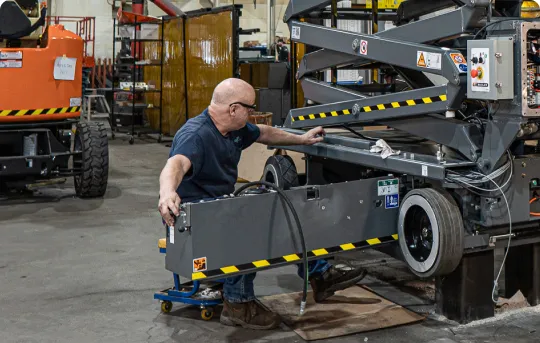
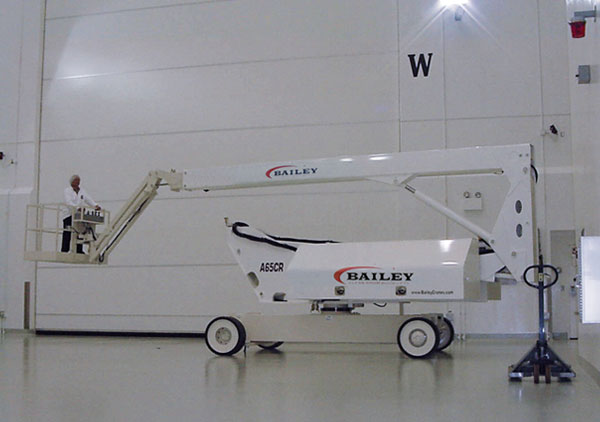
Bailey Cranes offers a specialized portfolio of cleanroom-compliant lifts engineered to support contamination-controlled operations in pharma, biotech, semiconductor, aviation, and research facilities. Each lift is built with sealed components, electro-hydraulic closed-loop systems, non-marking wheels, and drip-containment designs to ensure sterile and particle-free operation.
Key Cleanroom Models Include:
- A65CR – 21.6 m reach, leak-proof hydraulic containment, 48-volt system
- A80JCR – 24.3 m reach, advanced 96-volt battery, smooth electric drive
- A125JCR – 19.3 m reach, 1000 lb capacity, auxiliary pump for emergency safety
- T66CR & T86JCR – Stable boom structure, non-marking tires, precise joystick control
- T120JCR – 36.5 m reach, programmable charging, separate boom-control system
Other Models: T100CR, T135CR, 4188CR Omni-Directional Scissor for ultra-sterile mobility
Bailey ensures every lift supports germ-free workflow, operator safety, easy maintenance, and long-duration shift cycles, making sterile elevation access simpler and safer.
Conclusion
Maintaining contamination-free environments isn’t just a strict operational requirement; it’s the backbone of quality, safety, and regulatory compliance in sensitive industries. Cleanroom-compliant lifts ensure technicians access elevated work zones without risking particle release, chemical contamination, or surface damage.
As industries continue advancing toward sterile automation and precision production, the right lifting solution becomes a strategic asset, not just equipment. Bailey Cranes stands ready to support your cleanroom goals with innovative, compliant, and future-ready lifting technology.
For more information on how our cleanroom lifting solutions can play a part in your mission-critical operations, give us a call at 262-710-4028 or email sales@baileycranes.com. Contact our professional team to match you with the right equipment to meet your needs.
FAQs
1. What makes cleanroom lifts different from standard lifts?
What makes cleanroom lifts different from standard lifts?
Cleanroom lifts are engineered with sealed components, non-marking wheels, enclosed hydraulic systems, and easy-to-sanitize surfaces to prevent particulate release, ensuring sterile, contamination-free operation in controlled environments like pharma, biotech, and semiconductor facilities.
2. Can cleanroom lifts operate continuously across multiple shifts?
Yes. Cleanroom-compliant lifts use high-capacity electric battery systems, efficient drive technology, and smart charging controls, allowing extended uptime and multi-shift operation without compromising cleanliness, performance, or safety inside controlled production zones.
3. Are cleanroom lifts safe to use around sensitive equipment and surfaces?
Yes. Cleanroom lifts come with a smooth electric drive, precise joystick control, non-marking tires, and drip-containment systems, minimizing vibration, friction, and accidental contamination while protecting delicate surfaces, sterile flooring, and sensitive machinery.